No Insurance? No Problem! Join Our Advantage Plan


Should You Get One Implant or a Partial Denture?

Missing teeth can significantly impact your quality of life, affecting everything from how you speak to what you eat. If you’re facing this issue, you may be wondering: What’s the best solution for me? Dental implants and partial dentures are two popular options for replacing missing teeth, but which one is right for you?
Both treatments offer unique benefits, but they come with different considerations in terms of comfort, durability, cost, and maintenance. In this blog, we will compare implants and partial dentures, helping you make an informed decision about which option aligns with your needs.
What Are Dental Implants?
Definition:
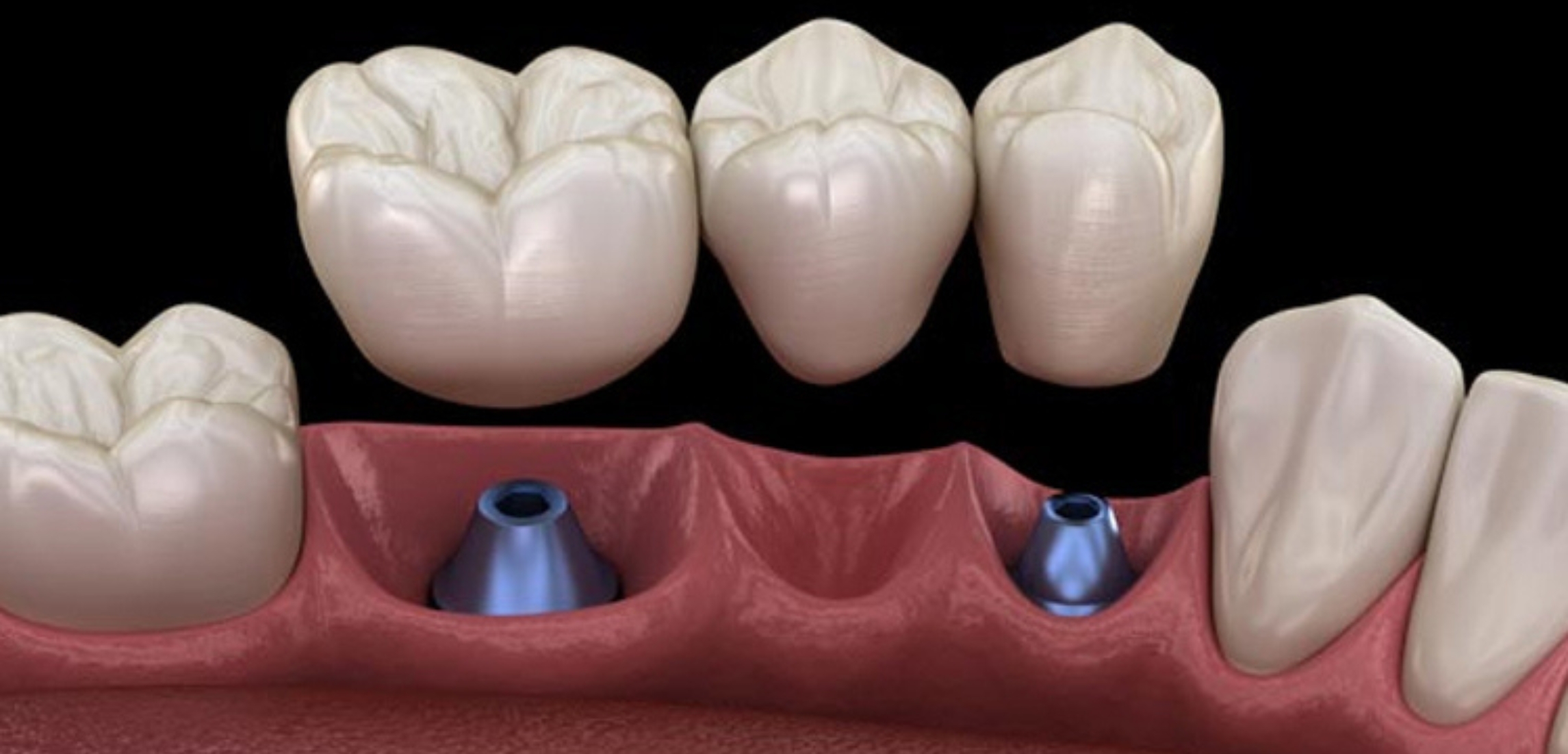
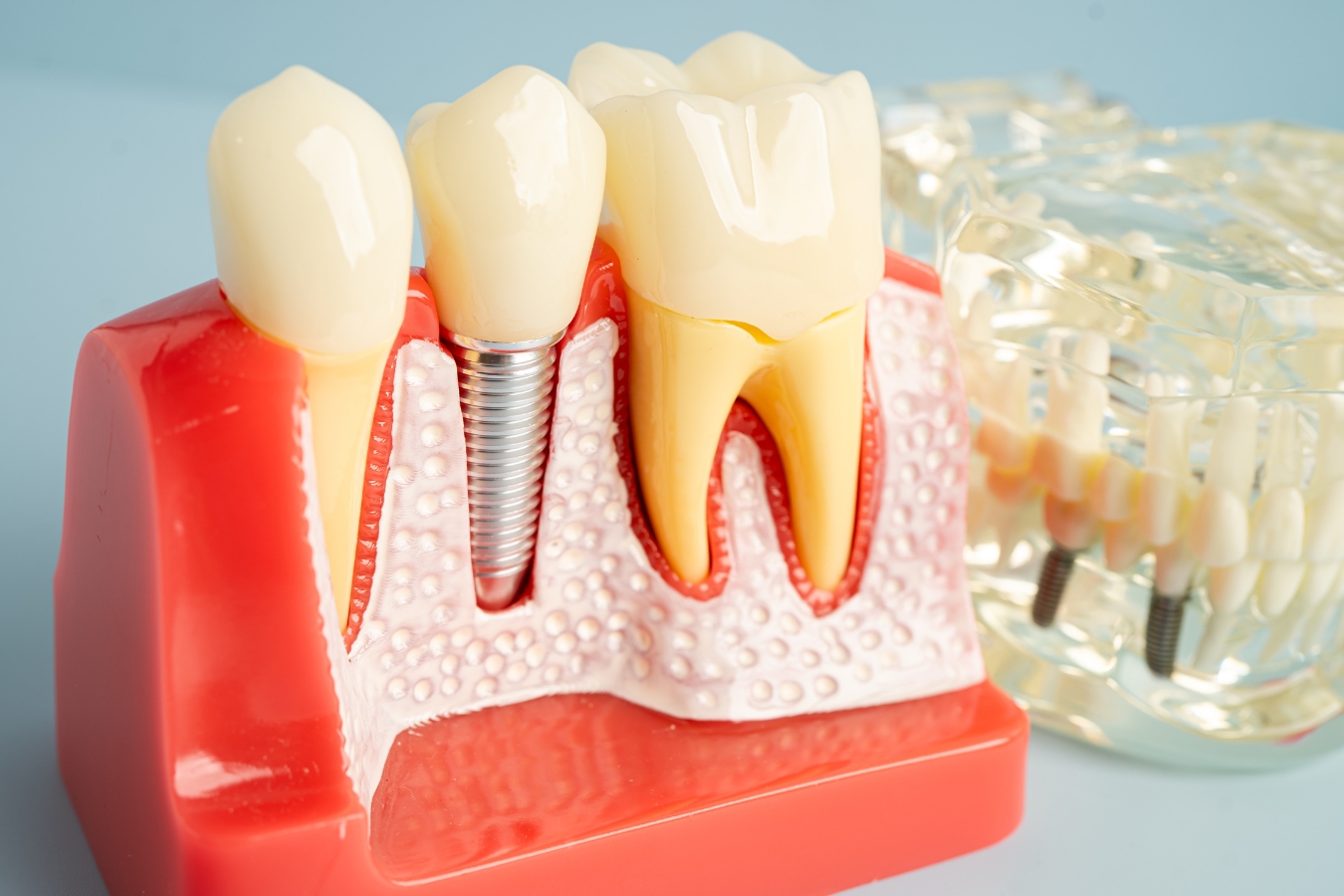
Dental implants are titanium posts surgically placed into your jawbone to replace the root of a missing tooth. Once integrated with the bone, these implants provide a stable base for a crown, bridge, or denture.
Procedure:
The dental implant process typically involves multiple steps. First, the implant post is surgically placed into the jawbone during a minor procedure.
After the post is inserted, a healing period of a few months is required for the implant to fuse with the bone, a process called osseointegration. Once the healing is complete, a custom crown is placed on top, giving you a fully restored tooth that functions like a natural one.
Advantages:
- Durability: Dental implants in Morrisville are designed to last a lifetime with proper care. Unlike partial dentures, which may need replacement over time, implants are a permanent solution.
- Natural Appearance: Implants look and feel like natural teeth, blending seamlessly with your smile.
- Improved Oral Health: Unlike traditional dentures, implants don’t require altering adjacent healthy teeth, making them a more conservative approach for your oral health. Plus, they help preserve jawbone density, preventing bone loss over time.
- Comfort: Since implants are fused with the bone, they eliminate the discomfort associated with removable dentures, offering a secure and comfortable fit.
What Are Partial Dentures?
Definition:
Partial dentures are removable dental appliances used to replace missing teeth. They consist of a metal or plastic frame that holds artificial teeth and attaches to the remaining natural teeth using clasps. Partial dentures are ideal for people who have lost several teeth but still have healthy teeth remaining.
Procedure:
The process of getting partial dentures usually starts with an initial consultation and impressions of your mouth. Your dentist will then design a personalized denture that fits comfortably in your mouth. During subsequent visits, the partial denture will be fitted and adjusted for comfort and function. The final appliance is removable, so you can take it out for cleaning and when eating.
Advantages:
- Affordability: Partial dentures are often more affordable than implants, making them an attractive option for patients with a budget.
- Less Invasive: Getting partial dentures requires no surgery, making them a non-invasive option compared to implants.
- Quick Solution: Partial dentures can be created and fitted relatively quickly, offering immediate relief for missing teeth.
- Removable: You can easily remove partial dentures for cleaning, making maintenance convenient.
Implants vs. Partial Dentures: A Side-by-Side Comparison
1. Durability
When it comes to durability, dental implants are the clear winner. Implants are designed to be a permanent solution for missing teeth. Once the titanium post is fused with the jawbone through the process of osseointegration, it becomes a part of your body, offering a stable foundation for a dental crown. With proper care, implants can last a lifetime, making them a long-term investment.
On the other hand, partial dentures, while a good option for many, may need adjustments or replacement over time. These removable appliances rely on the remaining natural teeth for support and often wear out with daily use. Over the years, the fit may loosen, and they may need to be relined or remade to maintain comfort and functionality.
2. Comfort and Fit
Implants are integrated into the jawbone, providing a stable, natural feel. Since they function just like natural teeth, they allow you to eat, speak, and smile without any discomfort. Once the healing process is complete, you’ll barely notice the implant is there. The fixed nature of implants means you don’t have to worry about them shifting or becoming loose during daily activities.
In contrast, partial dentures are removable and rely on clasps that hook onto surrounding teeth to stay in place. While they are comfortable for many, they can feel bulky and less secure, especially when chewing or speaking. Because they aren’t permanently fixed, partial dentures can shift or slip, leading to discomfort or embarrassment, particularly if they aren’t adjusted properly.
3. Cost Consideration
The initial cost of implants is typically higher than that of partial dentures, due to the surgical procedure and the materials used. Implants also require a multi-step process involving consultations, surgery, healing time, and follow-up appointments. However, considering their longevity, implants can be a more cost-effective choice in the long run since they require little maintenance or replacement over time.
Partial dentures, in contrast, are more affordable upfront. They don’t require surgery, and the process of getting them is faster and less expensive. However, the cost of partial dentures can add up over the years, as they may need to be replaced or adjusted. Additionally, they can lead to additional costs for oral care, such as cleaning products and storage solutions.
4. Maintenance
Implants are easy to maintain and care for because they are treated just like natural teeth. Regular brushing and flossing are essential, along with routine dental checkups to ensure the implants remain in good condition. Implants do not require any special cleaning solutions or soaking.
Partial dentures, on the other hand, require more maintenance. Since they are removable, you’ll need to clean them thoroughly after each use. Soaking them overnight in a cleaning solution is also recommended to keep them free from bacteria and odors. Additionally, partial dentures may need to be adjusted periodically, and they may require reline or repair to maintain their fit and function.
5. Aesthetics
When it comes to aesthetics, implants offer a significant advantage. Because they are designed to look and function like natural teeth, implants blend seamlessly with your smile. The custom-made crowns placed on implants are indistinguishable from your natural teeth, and they do not require visible attachments or clasps. This makes them an excellent option for those seeking a discreet, natural-looking solution to tooth loss.
Partial dentures, while functional, may not offer the same level of aesthetics. Most partial dentures have metal clasps or visible frameworks that can detract from the natural appearance of your smile, especially in the front teeth. While modern partial dentures have become more aesthetic with tooth-colored materials, they still may not provide the same natural look as implants.
When to Choose a Dental Implant
Ideal Candidates
Dental implants are best suited for individuals who have enough healthy jawbone to support the implant. If you are missing one or more teeth and are in good oral health, implants could be a long-lasting solution for you.
Longevity and Lifestyle
For those looking for a permanent solution, dental implants in Morrisville are the way to go. Once integrated with your jawbone, implants require very little maintenance and can last a lifetime, making them ideal for people who want a hassle-free and durable solution for tooth loss.
When to Choose a Partial Denture
Ideal Candidates
Partial dentures are great for patients who may not have enough bone structure for implants or those who wish to avoid surgical procedures. They are also an excellent option for people who need a more affordable and immediate solution for multiple missing teeth.
Affordability and Convenience
For those on a budget or those who need a quicker solution, partial dentures are a cost-effective and easy option. They offer a good balance between restoring functionality and affordability, and they are particularly beneficial for patients who have lost several teeth but still have healthy natural teeth to anchor the denture.
In conclusion, the decision between a dental implant and a partial denture depends on your individual needs, preferences, and budget. If you’re looking for a permanent, low-maintenance solution that provides natural aesthetics and comfort, implants might be the right choice for you. However, if you’re looking for a quicker, more affordable solution without the need for surgery, partial dentures offer a great alternative.
At Dental Care of Morrisville, we’re here to help you explore both options and find the best solution for your smile. Contact us today to schedule a consultation and take the first step towards restoring your smile.
People Also Ask
Do dental implants require special cleaning products?
No, dental implants can be cleaned just like natural teeth, using regular toothpaste, toothbrushes, and floss, without the need for special cleaning products.
Are partial dentures visible when I smile?
Partial dentures may have metal clasps or frameworks that are visible, especially for front teeth, but newer designs can be more discreet with tooth-colored materials.
How long does it take to get dental implants?
The process for dental implants typically takes several months, as it involves surgery, healing, and the placement of a permanent crown or bridge after the implant integrates with the jawbone.
Can dental implants be used for multiple missing teeth?
Yes, dental implants can replace one or multiple teeth, and in some cases, multiple implants can support a bridge or denture for several missing teeth.
Can I eat normally with partial dentures?
Partial dentures may take some time to adjust to, and while you can eat most foods, certain hard or sticky foods may cause discomfort or damage, so caution is advised.