No Insurance? No Problem! Join Our Advantage Plan


The Connection Between Sinus Pressure and Root Canal Pain

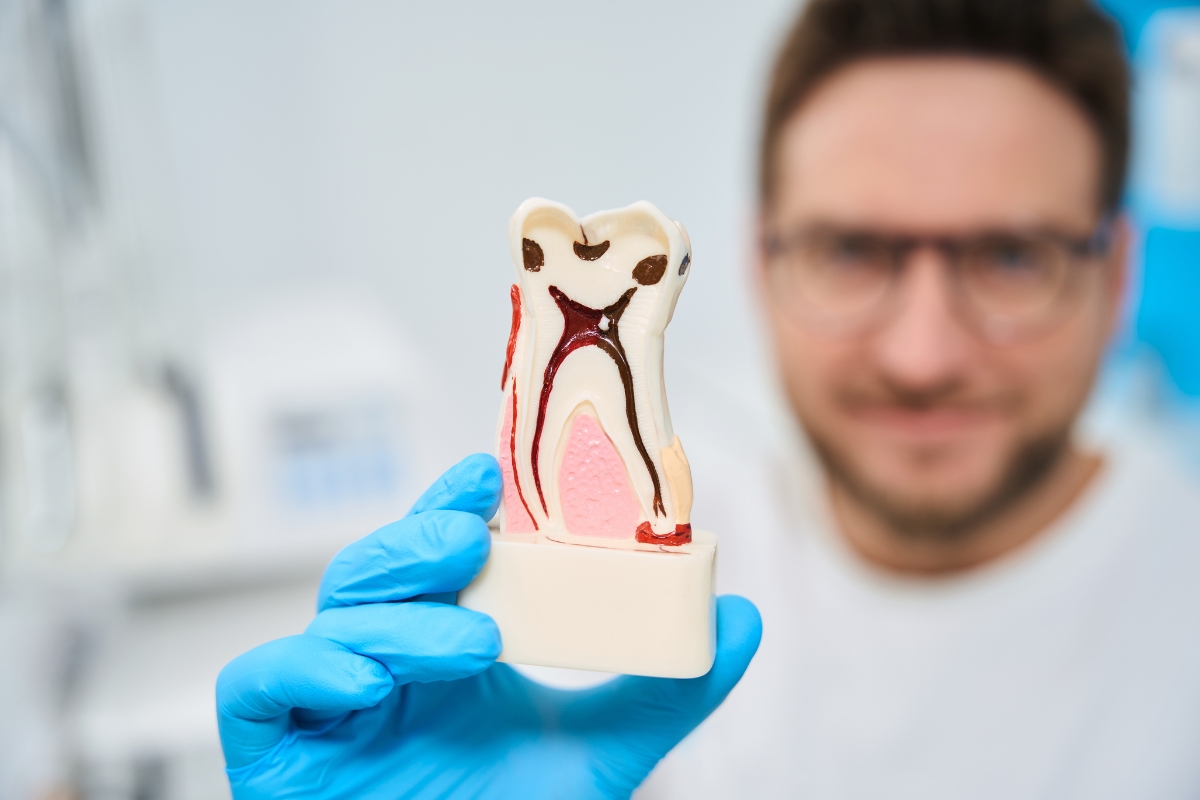
Have you ever experienced a sharp toothache while also feeling a stuffy nose or facial tenderness? If so, you might be wondering if these two issues are connected. While tooth pain and sinus pressure may seem unrelated, they can actually share a link that’s worth understanding. Many people don’t realize that sinus pressure can mimic or even worsen the pain from a root canal issue.
In this blog, we’ll explore the connection between sinus pressure and root canal pain, providing insights to help you differentiate between the two, seek appropriate treatment, and improve your overall well-being.
Understanding Sinus Pressure
What is Sinus Pressure?
Sinus pressure occurs when your sinuses, the hollow cavities in your skull, become inflamed or congested. This can happen due to sinus infections (sinusitis), allergies, or even weather changes.
When the sinuses become blocked or irritated, they can create a sense of fullness or pressure, often around the forehead, cheeks, and eyes. The sinuses are located near the upper teeth, particularly the molars, which is why sinus problems can sometimes be mistaken for tooth pain.
Symptoms of Sinus Pressure
Common symptoms of sinus pressure include:
- Facial tenderness: Sensitivity or pain when pressing on your forehead, cheeks, or around your eyes.
- Congestion: Blocked nasal passages, making it hard to breathe through your nose.
- Headaches: Pain, often felt at the front of the head or around the eyes.
- Postnasal drip: Mucus dripping down the back of your throat.
In some cases, people experience tooth pain in their upper teeth or jaw because of the proximity of the sinuses. The pressure from swollen sinuses can push on the roots of the upper teeth, causing pain or discomfort that feels very much like a toothache.
How Sinus Pressure Affects the Teeth
Sinus pressure can lead to pain in the upper teeth, especially the molars. This happens because the roots of the upper teeth are located close to the maxillary sinuses.
When the sinuses become inflamed, the increased pressure can affect the nerves that run along the roots of these teeth, causing discomfort that may feel like a toothache. Sometimes, people mistakenly believe they need a root canal treatment in Morrisville when the problem is actually sinus pressure.
Root Canal Pain
What is Root Canal Pain?
Root canal pain occurs when the pulp (the soft tissue inside the tooth) becomes inflamed or infected. This inflammation can be caused by severe tooth decay, a crack or injury to the tooth, or an untreated cavity. The pain from a root canal infection can be intense and throbbing, often worsening when you chew or touch the affected tooth.
Causes of Root Canal Pain
Common causes of root canal pain include:
- Tooth infection: Bacteria from decay or trauma infect the pulp of the tooth.
- Abscess: A pocket of pus can form at the root of the tooth, leading to pain.
- Deep cavities: Cavities that reach the pulp of the tooth can cause inflammation and infection.
Pain Characteristics
Root canal pain is typically:
- Sharp or throbbing: The pain can be severe and concentrated in one tooth.
- Worsens with pressure: Biting down or touching the tooth may make the pain more intense.
- Localized: Unlike sinus pain, which may radiate, root canal pain is usually confined to one specific tooth.
How Sinus Pressure and Root Canal Pain Are Connected
Shared Symptoms
Both sinus pressure and root canal pain can lead to discomfort in the upper teeth, making it challenging to determine the source of the pain. The pain from sinus pressure often radiates to the upper molars, particularly in cases of sinusitis, and may feel similar to the sharp, throbbing pain associated with a root canal infection.
If you’re experiencing discomfort in your upper teeth along with facial tenderness, it’s important to consider that either condition could be the cause.
Anatomical Connection
The anatomical relationship between the sinuses and upper teeth is the primary reason these conditions can overlap. The maxillary sinuses are located just above the roots of the upper molars and premolars.
When the sinuses become inflamed due to an infection or allergy, the pressure from this inflammation can push against the roots of the upper teeth. This pressure can cause pain that mimics the sensation of a toothache. As the inflammation worsens, it can intensify the pain, making it difficult to tell whether it’s caused by sinus issues or a dental problem.
Referred Pain
Referred pain is another factor that complicates the diagnosis. This occurs when pain is felt in a different area of the body than where the problem originates. For example, when the sinuses are inflamed, the pain may be felt in the teeth, especially the upper molars.
Conversely, an infected tooth or abscess can send pain signals to the sinuses, creating a confusing overlap of symptoms. Understanding this connection is crucial for determining the correct treatment approach.
Differentiating Between Sinus Pain and Root Canal Pain
Key Differences
Here are a few key differences to help you differentiate between sinus pressure pain and root canal pain:
- Sinus pressure usually causes more generalized pain across several upper teeth and areas around the face. Root canal pain, on the other hand, is more localized to one tooth.
- Sinus pressure may cause other symptoms like nasal congestion, headaches, and facial tenderness, while root canal pain is typically intense and sharp and worsens with pressure.
- Sinus pressure is often accompanied by congestion and mucus, whereas root canal pain is usually independent of these symptoms.
When to See a Dentist or ENT Specialist
If you suspect your pain is due to a root canal issue, it’s important to visit a dentist for an evaluation. They can assess the tooth for infection or damage and recommend a root canal treatment in Morrisville if necessary.
However, if your symptoms are accompanied by congestion, headaches, and facial pressure, you may want to consult an ENT (ear, nose, and throat) specialist to rule out sinusitis.
Treatment Options for Both Conditions
Sinus Pressure Treatments
Sinus pressure can often be relieved with over-the-counter decongestants, saline nasal sprays, and steam inhalation. If you have a sinus infection, antibiotics may be necessary, especially if the symptoms last for more than a week. Additionally, using a humidifier or drinking plenty of fluids can help ease the pressure in your sinuses.
Root Canal Treatment
If your tooth pain is due to a root canal infection, a dentist will perform a root canal treatment. This involves removing the infected pulp from inside the tooth, cleaning the root canals, and sealing the tooth. A crown is usually placed over the treated tooth to restore its function and protect it from future damage.
When Both Conditions Occur Together
In some cases, both sinus pressure and root canal pain may occur together. In these situations, it’s important to treat both conditions simultaneously. Your dentist and ENT specialist can collaborate to provide the best course of action, ensuring that both your sinus issue and tooth pain are addressed.
Sinus pressure and root canal pain may seem like two unrelated issues, but they share a surprising connection. Understanding the signs and symptoms of both can help you seek the right treatment before the pain worsens.
If you’re experiencing tooth pain or sinus pressure, don’t hesitate to schedule a consultation at Dental Care of Morrisville. Our team is here to help you find relief, whether it’s through root canal treatment or addressing sinus issues. Contact us today to book your appointment!
What People Ask
How do I know if my tooth pain is from sinus pressure?
Sinus-related tooth pain is often accompanied by facial tenderness, nasal congestion, and headache, whereas root canal pain is more localized to one tooth.
What causes sinus pressure?
Sinus pressure is typically caused by sinus infections, allergies, or even weather changes, leading to inflammation in the sinuses.
How do sinus issues affect the teeth?
Inflamed sinuses can push against the upper tooth roots, causing pain or discomfort in the teeth, particularly the molars.
What are the symptoms of a root canal infection?
Root canal infection symptoms include sharp or throbbing pain, sensitivity to temperature, and pain while chewing or touching the affected tooth.
How can I tell if my tooth pain is from sinus pressure or a root canal?
Tooth pain from sinus pressure often feels more generalized across several teeth, while root canal pain is typically more localized to a single tooth.