No Insurance? No Problem! Join Our Advantage Plan


Why Dental Abscesses Are a Silent Medical Emergency You Can’t Ignore


Most people assume a toothache will go away on its own. That assumption can be dangerous. A dental abscess is one of the most serious oral health conditions you can develop. Understanding why dental abscesses are a silent medical emergency you can’t ignore in Morrisville could genuinely save your life.
At Dental Care of Morrisville, Dr. Himanshu Patel sees patients who wait too long. By the time they arrive, the infection has often spread. This article breaks down exactly what a dental abscess is, how to recognize it, and why acting fast matters more than most people realize.
What Is a Dental Abscess and Why Is It So Dangerous?
A dental abscess is a pocket of pus caused by a bacterial infection. It can form inside a tooth, in the gums, or in the bone supporting a tooth. The infection does not stay contained forever.
Left untreated, bacteria can spread to your jaw, neck, or even your brain. This is not an exaggeration. Dental infections have caused fatal outcomes in otherwise healthy adults. The dangerous part is that the pain sometimes fades — but the infection keeps spreading silently.
Many Morrisville patients describe the early stage as a dull ache they thought would resolve. It often doesn’t. That quiet period is exactly why this condition earns the label of a silent medical emergency.
Recognizing the Warning Signs of a Dental Abscess in Morrisville
Catching an abscess early gives you far better treatment options. Knowing the symptoms is your first line of defense. Here are the most common warning signs to watch for:
- Severe, throbbing toothache that radiates to your jaw or ear
- Sensitivity to hot and cold that lingers after the source is removed
- Swelling in the face, cheek, or neck that may appear suddenly
- Fever and general feeling of illness — a sign infection is spreading
- Swollen or tender lymph nodes under your jaw or in your neck
- A pimple-like bump on your gums that may ooze or taste foul
- Difficulty swallowing or breathing — this is a 911-level emergency
Not everyone feels intense pain. Some patients experience only mild discomfort before serious complications develop. Never judge the severity of an abscess by pain level alone.
Why Ignoring a Dental Abscess Is Never Safe
A dental abscess will not heal without treatment. Antibiotics alone may reduce symptoms temporarily, but they do not eliminate the source. The infected tissue must be addressed by a dental professional.
When bacteria spread beyond the tooth, they can enter the bloodstream. This condition is called sepsis. Sepsis is life-threatening and requires emergency hospitalization. Morrisville residents who delay care risk this serious outcome.
Swelling in the neck or floor of the mouth can compress the airway. This is a condition called Ludwig’s angina, and it requires immediate emergency room care. If you notice difficulty breathing or swallowing alongside tooth pain, do not wait for a dental appointment — call 911 immediately.
Beyond life-threatening risks, untreated abscesses cause bone loss around the tooth. This can complicate or eliminate future tooth replacement options. Patients interested in Options For Replacing All Of My Teeth Morrisville should know that preventing bone loss through prompt treatment protects those future possibilities.
How Dental Care of Morrisville Treats a Dental Abscess
Dr. Himanshu Patel and the team at Dental Care of Morrisville approach abscess treatment with urgency and compassion. The goal is to eliminate the infection and preserve your oral health. Treatment depends on the severity and location of the abscess.
Here is what the treatment process typically involves:
- Diagnosis — Dr. Patel examines the area and takes X-rays to assess infection depth and bone involvement.
- Draining the abscess — A small incision allows the pus to drain safely and relieve pressure immediately.
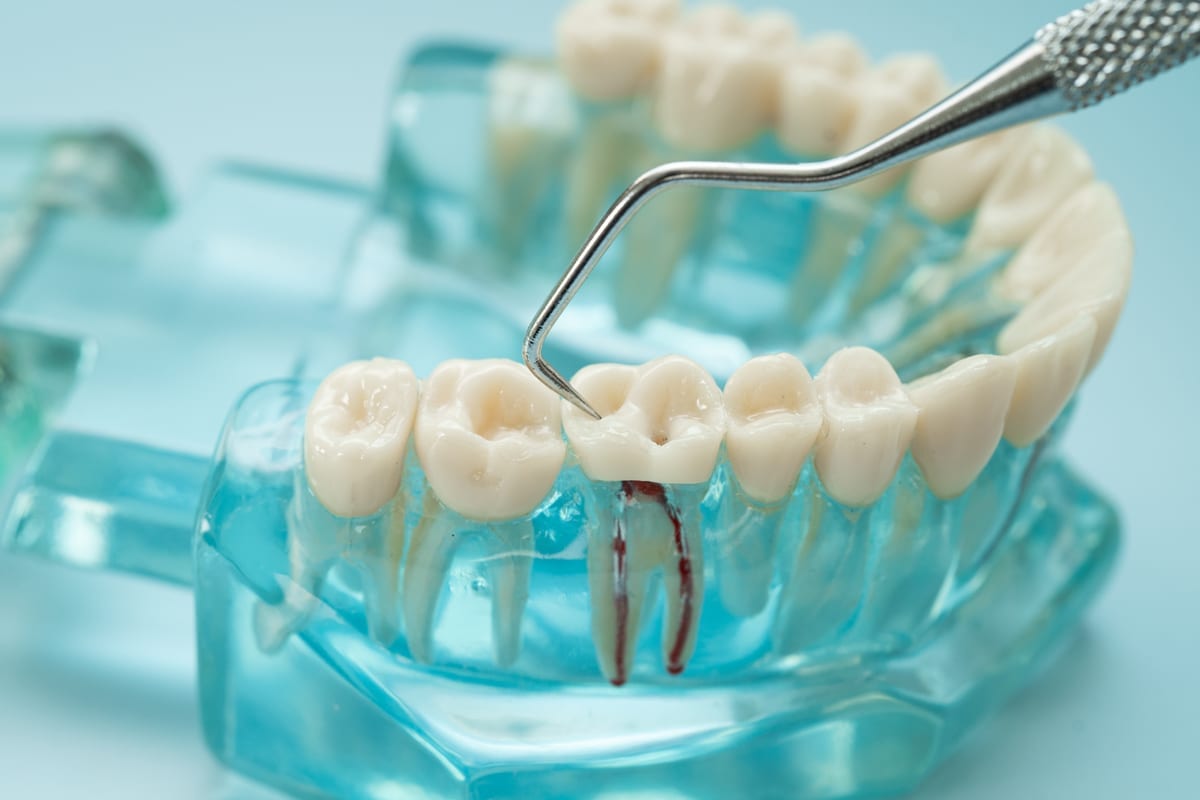
- Root canal treatment — When the infection originates inside the tooth, a root canal removes infected pulp and saves the tooth structure.
- Tooth extraction — If the tooth cannot be saved, extraction removes the infection source entirely.
- Antibiotic therapy — Prescribed alongside dental treatment to manage bacterial spread, not as a standalone cure.
- Follow-up care — Monitoring healing and planning any needed restorative work afterward.
Many patients are surprised by how much relief they feel after treatment begins. Addressing the source of infection quickly leads to dramatically faster recovery.
Protecting Your Smile After an Abscess: What Comes Next
Once an abscess is treated, the focus shifts to restoring your smile and preventing future infections. Depending on what tooth was affected, you may need a dental crown, implant, or other restorative work.
Patients who lost teeth due to severe infection often explore cosmetic restoration options later. For younger patients, a confident smile matters greatly. Those interested in how to Improve Your Smile For Senior Pictures Morrisville should discuss timing and options with Dr. Patel after any active infection has fully resolved.
Prevention remains the most powerful tool. Here are key habits that reduce your abscess risk significantly:
- Brush twice daily with fluoride toothpaste
- Floss every day to remove bacteria between teeth
- Attend regular dental cleanings and checkups
- Avoid sugary drinks and snacks that feed harmful bacteria
- Address cavities promptly before they reach the tooth pulp
- Wear a mouthguard if you grind your teeth at night
Routine care at Dental Care of Morrisville helps catch early signs of infection before they become emergencies. Prevention is always easier than emergency treatment.
When to Seek Emergency Dental Care in Morrisville
Some symptoms demand same-day attention. Do not wait for a scheduled appointment if you experience any of the following. These situations require urgent or emergency care immediately.
Seek emergency care if you have severe facial swelling, difficulty opening your mouth, a high fever alongside tooth pain, or any trouble breathing or swallowing. These are signs the infection has progressed beyond the tooth itself. Speed truly matters in these situations.
Contact Dental Care of Morrisville as soon as symptoms appear. Dr. Patel prioritizes patients in urgent situations. Early intervention prevents the most severe complications and gives you the best chance at a full recovery.
Your oral health is directly connected to your overall health. A dental abscess is not just a tooth problem — it is a whole-body concern. Trust the team at Dental Care of Morrisville to guide you through treatment with expertise and care. Book Now to schedule your appointment with our team.
Frequently Asked Questions
Can a dental abscess go away on its own?
No, a dental abscess will not resolve without professional treatment. The infection may seem to improve temporarily if the abscess ruptures, but the bacterial source remains. Without proper care from a dentist, the infection continues to spread and can become life-threatening.
How quickly can a dental abscess become dangerous?
A dental abscess can become dangerous within days in some cases. Healthy adults have developed life-threatening complications from untreated abscesses in a short period. If you notice facial swelling, fever, or difficulty breathing alongside tooth pain, seek emergency care immediately.
Will I need a root canal if I have a dental abscess?
Not always, but root canal treatment is a common solution when the infection originates inside the tooth pulp. In some cases, the tooth must be extracted if it cannot be saved. Dr. Himanshu Patel evaluates each patient individually and recommends the most appropriate treatment to eliminate the infection.
Is a dental abscess always painful?
Not necessarily. Some abscesses cause intense, throbbing pain while others produce only mild discomfort or no noticeable pain at all. This is part of what makes them a silent emergency. Never assume a lack of severe pain means there is no serious problem — prompt dental evaluation is essential.
How can I prevent a dental abscess from developing?
The most effective prevention includes brushing twice daily, flossing every day, attending regular dental cleanings, and treating cavities promptly before they reach the inner tooth pulp. Routine checkups at Dental Care of Morrisville allow Dr. Patel to catch early warning signs before they escalate into a serious infection.