No Insurance? No Problem! Join Our Advantage Plan


How Clear Braces Compare To Traditional Braces Cost-Wise?

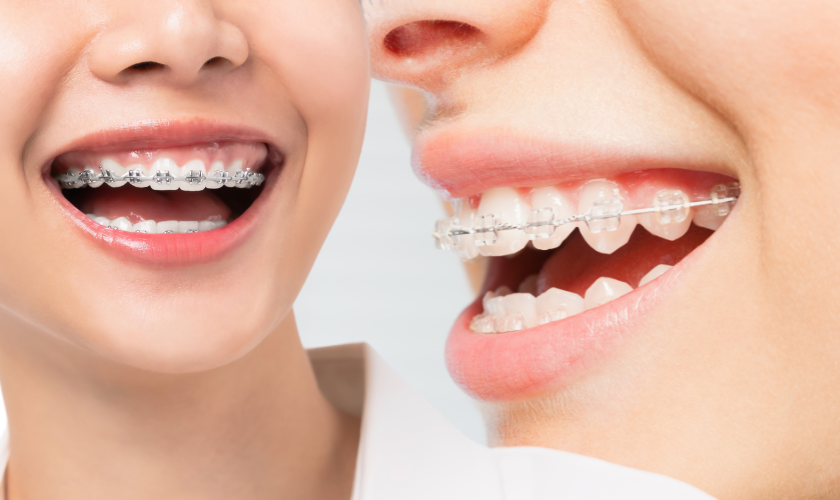
When it comes to straightening your teeth, two main contenders usually top the list: clear braces and traditional metal braces. But while aesthetics often take center stage, the big question for many is—how do they compare cost-wise?
If you’re considering braces, understanding the financial side of the decision is just as important as the cosmetic outcome. Let’s break it down and see which option truly gives you the best bang for your buck.
The Basics: Clear Braces or Traditional Braces?
- Traditional Braces involve metal brackets and wires that are adjusted over time to align your teeth.
- Clear Braces, often referring to ceramic braces or invisible aligners (like Invisalign), are designed to blend in more naturally with your teeth or be virtually invisible.
While both are effective at treating misalignment, crowding, and bite issues, their differences in appearance, comfort, and cost often become the deciding factors.
At first glance, clear options seem slightly more expensive, but there’s more to the story.
According to the American Dental Association, nearly 75% of adult orthodontic patients opt for clear aligners or ceramic braces, despite the higher price point—because of discretion, comfort, and shorter treatment times.
That stat says it all—people are willing to pay more for a better experience.
What You’re Really Paying For
Let’s dive deeper into what your money gets you.
Aesthetics
Clear braces in Morrisville are barely noticeable, making them especially attractive for adults and teens who want a discreet treatment. Traditional metal braces are more visible—so if camera confidence matters, the clear option might be worth the extra cost.
Comfort
Clear aligners are removable and gentler on cheeks and gums. Ceramic braces use less irritating materials than metal but still have brackets and wires. Traditional braces, while effective, can cause more discomfort during adjustments.
Duration of Treatment
Clear aligners often offer shorter treatment times for mild to moderate cases, while traditional braces may be better suited for more complex corrections but could take longer.
Hidden Costs and Insurance Coverage
- Insurance Coverage: Many dental insurance plans cover braces up to a certain limit, regardless of type. However, some insurers consider clear aligners a “cosmetic option,” offering less coverage.
- Maintenance Costs: Clear aligners require responsibility—losing a tray can cost extra. On the flip side, broken brackets on traditional braces may also rack up repair costs.
- Retainers Post-Treatment: Regardless of which route you choose, retainers are a must to maintain your new smile.
Make The Smart Financial Choice
So, how do you decide?
- If you’re looking for the most affordable option and don’t mind a visible appliance, traditional braces are the way to go.
- If appearance, comfort, and flexibility are priorities, investing in clear braces might be well worth the additional cost.
Think of it as an investment not just in your oral health, but in your confidence, convenience, and lifestyle.
Quick Tips for Saving on Braces
- Ask about payment plans. Most orthodontists offer flexible financing options.
- Use HSA or FSA funds to pay with pre-tax dollars.
- Shop around. Get multiple quotes and consider orthodontic schools for discounted rates.
Clarity in Cost
While traditional braces are generally more budget-friendly, clear braces offer value beyond the numbers—discretion, comfort, and confidence. Whether you’re leaning toward metal or ceramic, aligners or wires, remember that the right choice is the one that fits your lifestyle, your goals, and your wallet.
A straighter smile is an investment—but with the right information, it doesn’t have to be a financial strain. Talk to our orthodontist, weigh your priorities, and make the choice that feels just right.