No Insurance? No Problem! Join Our Advantage Plan


How to Handle a Gum Injury While Camping or Hiking?

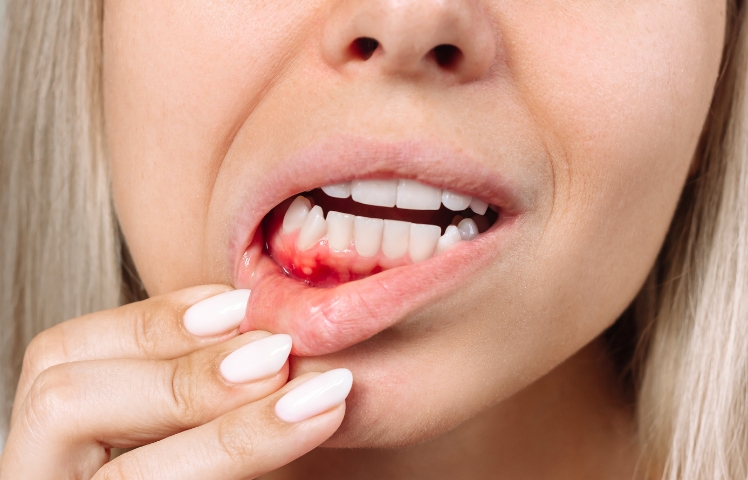
Are you into outdoor adventures like camping and hiking? Though these activities are very exciting, they come with potential risks of medical emergencies. You might overlook oral injuries like gum damage. Without timely treatment, gum issues and other complications might be caused. Knowing how to handle them can make your trip safe and enjoyable.
Read this blog to learn how ignoring these oral injuries can lead to gum diseases and ways you can handle them to prevent complications.
What Are The Common Causes of Gum Injuries in The Outdoors?
You can experience gum injuries unexpectedly in outdoor environments. Common causes include:
- Do you love having trail mixes with lots of nuts and jerky? These food items can cause gum tears and abrasions while you are chewing them.
- Hiking on rocky terrains can result in sudden falls that might injure both your gums and teeth.
- Never use improvised tools like sharp sticks or rough floss, as they damage the structure of your gums and teeth.
- Sharp branches and thorny plants might cause unexpected injuries when you perform outdoor activities.
First Aid For Gum Injuries In The Wilderness
If you have sustained gum injuries while camping or hiking, follow these essential first-aid tips to bring the situation under control:
- Carefully examine your gums for signs of bedding and swelling. It will help you decide if the injury is minor or it requires immediate medical attention.
- Rinse your injured area with salt water to disinfect the area and remove any dirt. Avoid alcohol-based solutions as they may further irritate your gums.
- Use a sterile gauze or clean cloth to gently apply pressure to the affected area of your gums.
- Cold water bottles wrapped in cloth can act as make-shift cold press compress to reduce swelling.
- Carry over-the-counter painkillers all the time. You can use them for situations like oral injury.
- If your injury ahs exposed any tooth roots or has sharp dental edges, use dental wax or sugar-free chewing gum to protect the area from further irritation.
These steps can help you escape the grasp of serious gum disease or infections.
When Should You Seek Professional Help?
You don’t need to worry too much about minor gum injuries. They can be treated on-site. However, some situations require immediate professional care. Never take persistent bleeding lightly. If your bleeding hasn’t stopped even after 30 minutes, you should see a dentist as soon as possible.
Visible bone exposure or lacerations might need stitches and other such extensive medical procedures to avoid life-threatening complications. If you experience signs of infection like puss and fever, seek medical care.
Use nutrient-rich soft snacks and maintain good oral hygiene to keep your gums strong. Protective gear like mouthguards can protect your mouth from the impact of sudden falls.
If you participate in outdoor activities frequently, staying prepared for sudden dental emergencies, including gum injuries, is essential. Understanding the causes and knowing how to use first aid can help you manage these injuries and avoid serious consequences. Prioritize preparedness and prompt to avoid major health concerns.
Are you looking for some professional advice from a dentist? Contact us for consultation.