No Insurance? No Problem! Join Our Advantage Plan


7 Things You Didn’t Know Invisalign Could Fix

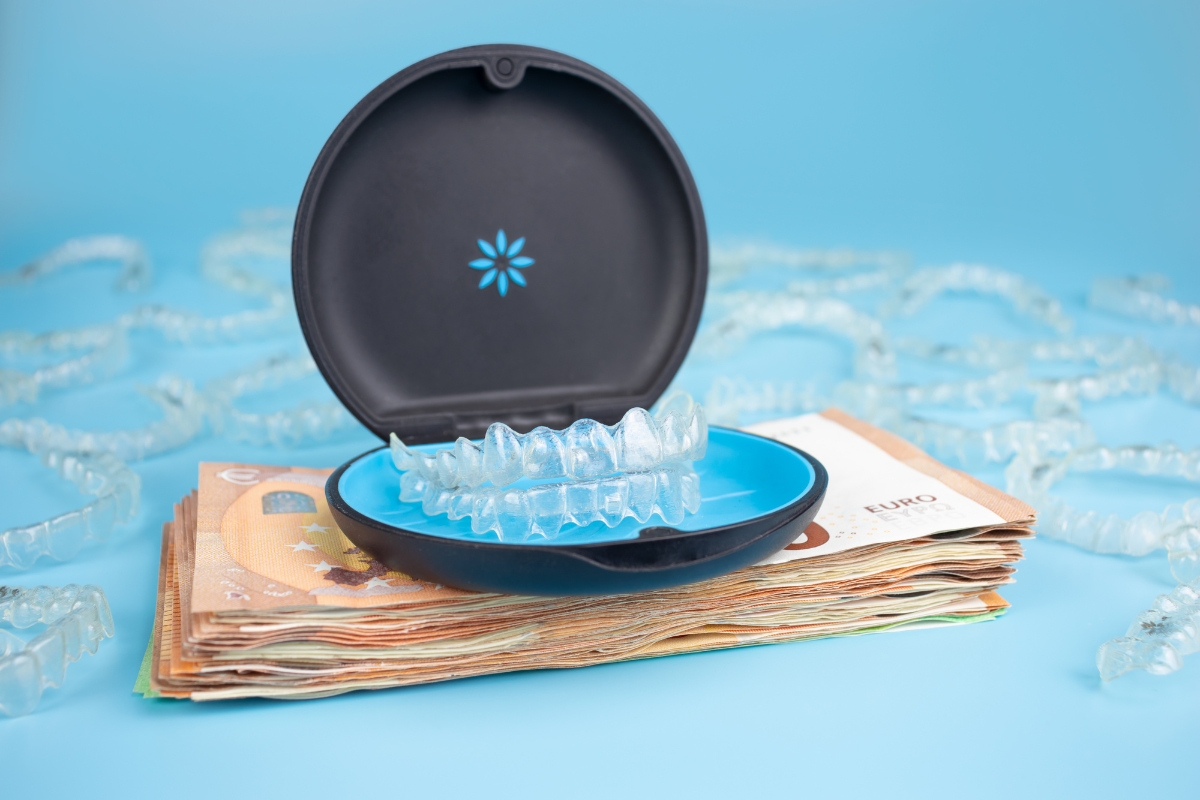
Invisalign is more than just a way to straighten your teeth. It can actually fix a variety of dental issues that you might never have expected. While many people utilize Invisalign simply to improve their smiles, these clear aligners really offer so much more than cosmetic benefits.
As a matter of fact, Invisalign can fix everything from bite misalignments to jaw pains. Discover the surprising ways that Invisalign can improve overall dental health while giving you a beautiful smile.
7 Things Invisalign Could Fix
1. Straightening Crooked Teeth Without Braces
Invisalign aligners can straighten crooked teeth in a rather unobtrusive manner, hence many people’s preference for them over traditional braces. With Invisalign, custom-fit aligners go over your teeth, progressively shifting them into an aligned position.
The best part? Invisalign is all but invisible, presenting a far more discreet alternative to metal braces. For this reason, the treatment modality is very popular among adults and teens for its comfort and less noticeable way of correcting tooth misalignment.
Invisalign enables one to straighten the teeth without drawing attention to it. This is important for people who value discretion during their treatment.
2. Correction of Overbites and Underbites
Invisalign works to correct overbites and underbites by gradually adjusting your bite. These kinds of bite misalignments can lead to long-term dental health issues, such as worn-out teeth, jaw pain, and difficulties with chewing.
Clear aligners work by applying gentle pressure on your teeth, adjusting your bite in a comfortable and controlled manner. According to a professional Invisalign dentist in Morrisville, the treatment is often more comfortable than traditional braces, and it can often be completed faster in many cases.
Correction of the misalignment of bites with Invisalign will provide great benefit by improving your smile and further preventing potential dental complications in the future, such as TMJ disorder or tooth decay.
3. Closing Gaps Between Teeth
Diastemas, or gaps between teeth, can have an impact on both your smile’s aesthetic appearance and your oral well-being. Invisalign aligners close these gaps by gradually shifting the teeth together over a period of time.
It will improve the aesthetics of your smile and prevent food from lodging between teeth, and reduce the tendency for plaque buildup and cavities.
Invisalign closes gaps much more subtly, rather than requiring other, more invasive treatments such as dental bonding or veneers.
4. Helping with Teeth Grinding (Bruxism)
Did you know that Invisalign can help with bruxism? Although aligners are not designed for this condition, they can alleviate this condition by creating a comfortable fit of teeth and jaws, reducing stress.
The aligner will be acting as a barrier to minimize the wear on teeth from grinding and relieve the jaw pain that comes along with bruxism.
Invisalign is a double advantage, as correcting the malalignment of teeth will help in protecting them against grinding.
5. Overcrowded Teeth
Overcrowding occurs when there is just not enough room for teeth to align properly in the mouth. In such a case, it causes misalignment, affecting general dental health.
Invisalign can alleviate this condition by shifting teeth gradually into better positions to create space, without the need for extractions. The aligners are far more comfortable and less invasive than traditional methods.
Invisalign provides space for your teeth and greatly improves their appearance and functionality, reducing the risk of problems that might arise from overcrowding.
6. Improving the Jaw Alignment
Invisalign is not only a cosmetic solution. As per a qualified Invisalign dentist in Morrisville, it’s also very efficient in treating malocclusions, especially those related to TMJ disorder.
Aligners work by gradually shifting teeth into better positions that may help alleviate pressure on the jaw. This process can reduce jaw pain, clicking, and other symptoms associated with TMJ.
Invisalign helps realign your jaw and improves general dental function, reducing discomfort caused by misalignment and TMJ.
7. Smile Aesthetic Enhancement
Beyond just correcting dental issues, Invisalign significantly enhances your smile aesthetically. Straightening your teeth with clear aligners leads to a more balanced, symmetrical smile. The best part about this is that the treatment will be virtually invisible, thus helping you improve your smile without others even noticing.
Whether you’re preparing for a special occasion or simply want to feel more confident, Invisalign offers a subtle and effective way to enhance your smile.
Invisalign offers you the confidence boost of a perfect smile without using brackets and wires.
Invisalign isn’t just about a straighter smile. It can also fix almost any dental problem-from simple, moderate, or severe bite misalignments to more complex types of malocclusions that may cause jaw pain. Flexibility, comfort, and subtlety are some added advantages that make Invisalign a perfect choice in aesthetic and functional dental improvements.
If you’re ready to learn more about how Invisalign improves your smile and dental health, consult with our dental clinic today. Set up a consultation to learn how Invisalign can help you reach your perfect smile.
FAQs
Can I switch from traditional braces to Invisalign mid-treatment?
It’s possible to switch from braces to Invisalign, but it depends on your specific dental situation. Consult with your Invisalign dentist to determine the best course of action for your needs.
Does Invisalign prevent tooth decay?
While Invisalign itself doesn’t prevent tooth decay, it can make brushing and flossing easier compared to traditional braces, thus promoting better oral hygiene and reducing the risk of cavities.
Is Invisalign more expensive than braces?
The cost of Invisalign is similar to traditional braces, but it may vary depending on the complexity of your case. Your dentist or orthodontist will provide a personalized treatment plan and cost estimate.
Will Invisalign affect my speech?
While it’s normal to experience a slight adjustment period, most patients adapt to wearing Invisalign aligners within a few days. Any speech changes typically go away as you get used to them.
Does Invisalign take longer than traditional braces?
The duration of Invisalign treatment is similar to traditional braces. The treatment time typically ranges from 12 to 18 months, depending on the complexity of your dental needs.