No Insurance? No Problem! Join Our Advantage Plan


Keep Your Dental Crown Lasting: Essential Care Tips to Avoid Replacement


A dental crown is a significant investment in your smile and oral health. Most patients want to know how to keep their dental crown lasting and avoid replacement in Morrisville. With the right daily habits, you can extend the life of your crown by many years. Dr. Himanshu Patel at Dental Care of Morrisville is here to walk you through everything you need to know.
Crowns typically last between 10 and 15 years with proper care. Some patients keep theirs in great shape for 20 years or more. The difference almost always comes down to how well you care for the crown at home. This guide covers the most important steps you can take starting today.
How to Clean Around Your Crown Margins Every Day
The margin is the edge where your crown meets your natural tooth. This area traps plaque and bacteria very easily. Cleaning it thoroughly every day is one of the most important things you can do. Neglecting this area leads to decay underneath the crown, which forces replacement.
Use a soft-bristled toothbrush at a 45-degree angle to the gumline. Gently brush along the crown margin in small, circular motions. Do this twice daily without skipping. A soft brush protects both the crown and the surrounding gum tissue.
Flossing around a crown requires a bit of extra care. Slide the floss gently down each side rather than snapping it. Pull the floss in a C-shape around the tooth to clean the margin thoroughly. Water flossers are also a helpful addition for cleaning hard-to-reach areas.
- Brush twice daily with a soft-bristled toothbrush
- Use fluoride toothpaste to protect the surrounding tooth structure
- Floss gently around the crown margin every night
- Consider a water flosser for extra cleaning power
- Use an antibacterial mouthwash to reduce bacteria near the gumline
Foods and Habits to Avoid With a Dental Crown in Morrisville
Certain foods and habits put your crown under significant stress. Knowing what to avoid can help you keep your dental crown lasting long-term and avoid replacement in Morrisville. Small changes in diet and behavior make a big difference over time.
Hard foods are one of the biggest threats to crowns. Biting into ice, hard candies, or crusty bread can crack or chip the crown material. Even if you do not feel pain immediately, small fractures can worsen over time. Always chew hard foods on the opposite side of your mouth when possible.
Sticky foods are equally problematic. Caramel, taffy, and chewy candy can pull at the crown and loosen the dental cement underneath. Once cement loosens, bacteria can sneak under the crown and cause decay. It is best to limit these foods significantly.
- Avoid chewing ice or hard candies
- Limit sticky and chewy foods like caramel and gummy candy
- Do not use your teeth to open packaging or bottles
- Cut hard fruits and vegetables into smaller pieces before eating
- Avoid grinding your teeth — more on this in the next section
Acidic beverages like soda and citrus drinks can erode the cement line over time. Drink water as your primary beverage whenever possible. If you do drink something acidic, rinse your mouth with water afterward. This simple habit protects both the crown and your natural teeth.
The Role of Night Guards for Teeth Grinders
Teeth grinding, also called bruxism, is one of the fastest ways to destroy a dental crown. Many people grind their teeth at night without even realizing it. The pressure from grinding can crack, chip, or completely fracture a crown. If you grind your teeth, protecting your crown is essential.
A custom night guard is one of the best tools available. It creates a cushion between your upper and lower teeth while you sleep. This absorbs the force of grinding before it can damage your crown. Dr. Patel can fit you for a custom guard right here in Morrisville.
Over-the-counter night guards do exist, but they often fit poorly. A poorly fitting guard can actually shift your teeth or cause jaw soreness. A custom-made guard from your dentist fits precisely and offers far better protection. It is a worthwhile investment to protect your existing dental work.
Signs that you may be grinding at night include waking up with jaw soreness or headaches. Your partner may also report hearing grinding sounds while you sleep. If you notice any of these signs, mention them to Dr. Patel at your next visit. Early action can save your crown and your overall oral health.
Regular Dental Visits Keep Your Crown in Top Shape
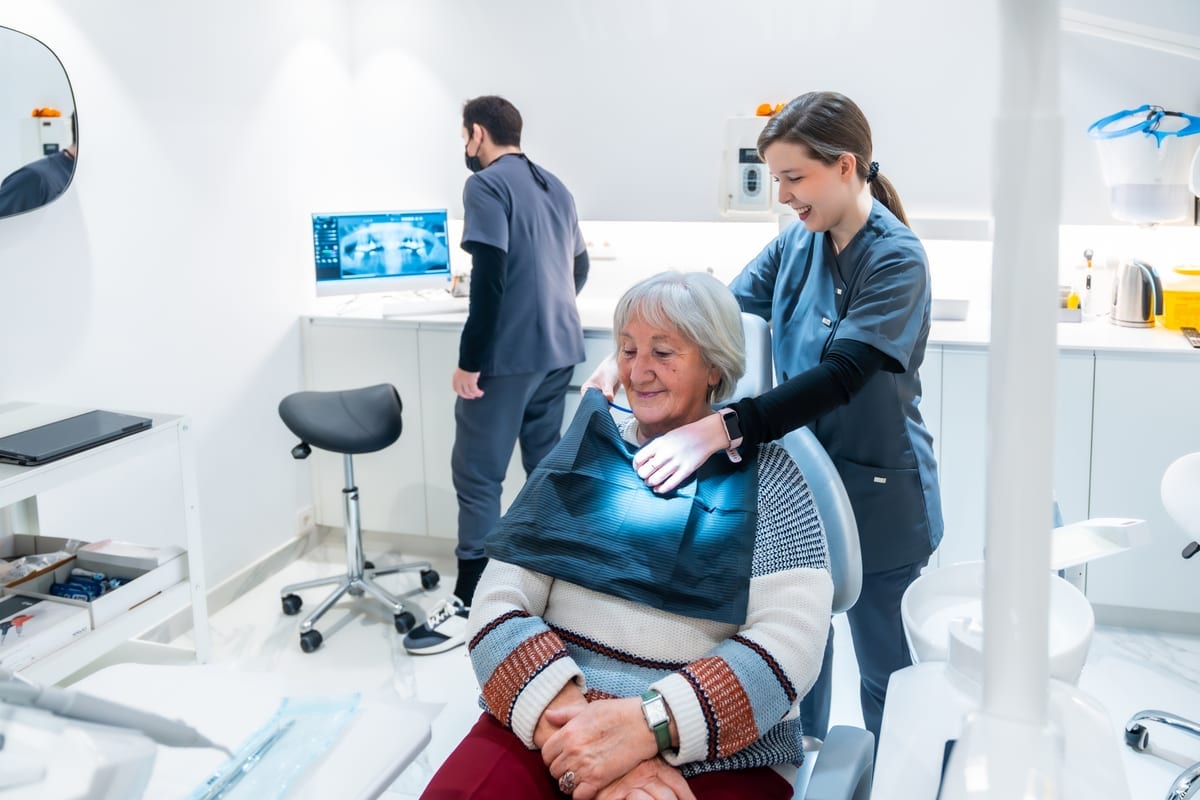
Home care alone is not enough to protect a dental crown long-term. Regular checkups at Dental Care of Morrisville allow Dr. Patel to monitor the crown closely. He can spot early signs of wear, loosening, or decay before they become serious problems. Catching issues early almost always means simpler and less costly solutions.
During your cleaning appointments, our hygienists pay special attention to crown margins. They use special tools that clean safely around dental restorations. Professional cleanings remove hardened tartar that your toothbrush cannot reach. This directly prevents the decay that leads to crown failure.
X-rays taken during routine visits help identify problems under the crown. Decay can develop beneath a crown without causing any pain at first. X-rays reveal this hidden decay before it spreads. This is one reason why skipping checkups is risky when you have a crown.
Patients who are exploring additional restorative options may also want to learn about Options For Replacing All Of My Teeth Morrisville to understand the full range of treatments available. And for younger patients considering cosmetic improvements, our team can also discuss how to Improve Your Smile For Senior Pictures Morrisville with safe, effective options. Dr. Patel takes a comprehensive approach to every patient’s care.
What to Do If Your Crown Feels Loose or Uncomfortable
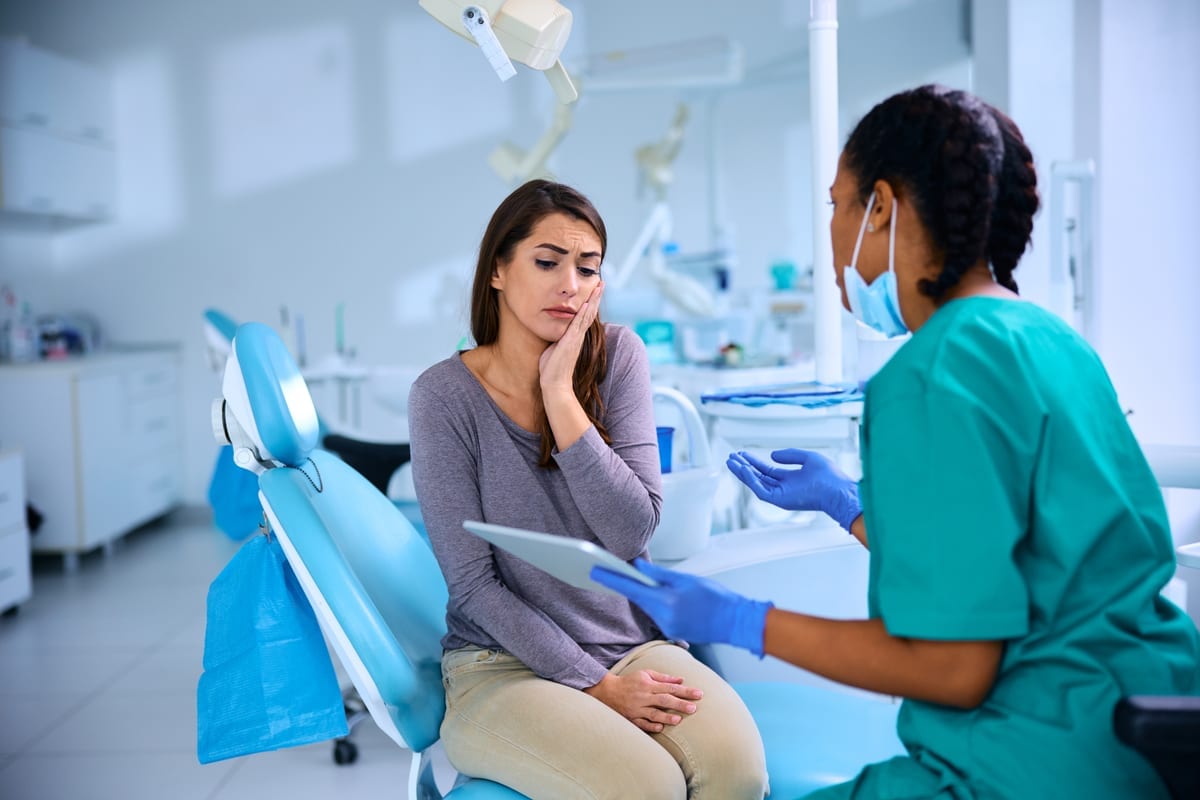
Sometimes a crown can shift or loosen despite your best efforts. Do not ignore this sensation. A loose crown allows bacteria to enter underneath, leading to rapid decay of the tooth structure below. Contact Dental Care of Morrisville as soon as you notice anything unusual.
Sensitivity to hot, cold, or pressure near a crowned tooth is another warning sign. This can indicate that the cement seal has weakened. It may also mean a tiny crack has developed in the crown itself. Either way, prompt attention prevents a small issue from becoming a large one.
Never try to re-cement a loose crown at home with over-the-counter adhesives. These products are not designed for long-term dental use. They can trap decay underneath and make proper treatment more difficult later. A same-day or next-day call to our Morrisville office is always the right move.
Conclusion: Protect Your Investment With Simple Daily Habits
Keeping your dental crown in excellent condition does not require complicated routines. Consistent brushing, careful flossing, smart food choices, and a night guard if needed go a very long way. Regular visits to Dr. Patel complete the picture. Small, consistent habits protect your crown and your overall oral health for years to come. Book Now to schedule your appointment with our team.
Frequently Asked Questions
How long does a dental crown typically last?
A dental crown can last anywhere from 10 to 20 years or more with proper care. The lifespan depends on the material used, your oral hygiene habits, and how much stress you place on the crown. Porcelain crowns may chip more easily than zirconia or metal crowns, so the material matters too.
Can I floss normally with a dental crown?
Yes, you should floss around your crown every day. The technique is slightly different — slide the floss gently down each side rather than snapping it between teeth. This prevents dislodging the crown or irritating the gumline. A water flosser is also a great complement to traditional flossing around crowns.
What happens if decay forms under my crown?
If decay develops under a crown, the crown typically needs to be removed so the decay can be treated. Depending on how much tooth structure remains, the tooth may need a new crown or additional treatment such as a root canal. This is why keeping the margin area clean is so important — it prevents decay from forming in the first place.
Do I need a night guard if I have a dental crown?
If you grind or clench your teeth at night, a custom night guard is strongly recommended. Grinding creates enormous pressure that can crack or fracture a crown over time. A professionally fitted night guard from Dr. Patel provides the best protection and is more comfortable than over-the-counter options.
How often should I visit the dentist after getting a crown?
Most patients should visit the dentist every six months for a routine checkup and cleaning. If you have multiple crowns or a history of gum disease, Dr. Patel may recommend more frequent visits. Regular appointments allow our team to monitor your crown and catch any issues before they require more complex treatment.