No Insurance? No Problem! Join Our Advantage Plan


Root Canal vs. Extraction: Which Actually Saves You Money Long-Term

When a tooth causes serious pain, you face a major decision. Should you save the tooth with a root canal, or remove it entirely? Many Morrisville patients ask Dr. Himanshu Patel this exact question. The answer depends on your oral health, your budget, and your long-term goals. Understanding the root canal vs. extraction choice — which actually saves you money long-term in Morrisville — can change your decision completely.
At first glance, an extraction seems cheaper and faster. But the full picture is more complicated. Removing a tooth often creates new problems down the road. This article breaks down both options honestly, so you can make a confident, informed choice.
Root Canal vs. Extraction: Understanding the Real Costs in Morrisville
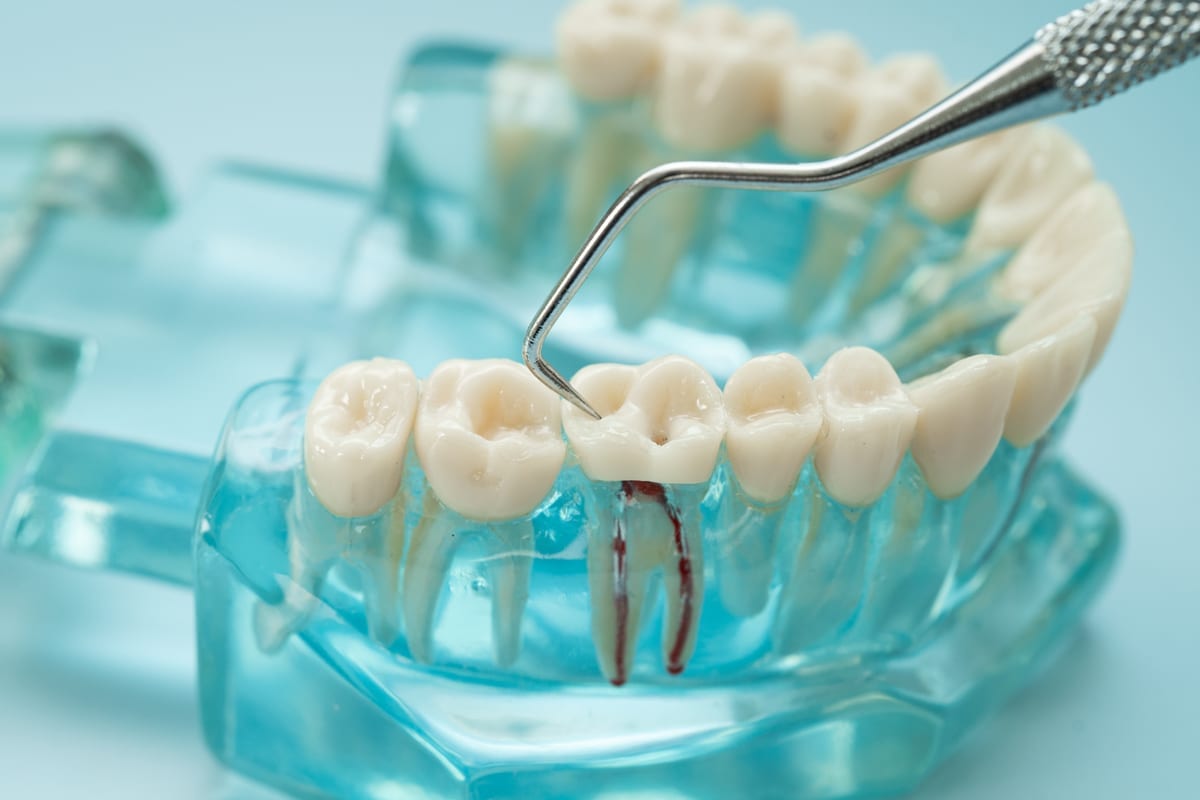
A root canal treats the infected tissue inside your tooth. The procedure cleans out bacteria, seals the canal, and typically requires a crown afterward. This process preserves your natural tooth completely. Many Morrisville patients are surprised to learn how cost-effective this option truly is over time.
An extraction removes the entire tooth from its socket. The upfront cost is usually lower than a root canal. However, a missing tooth creates a gap that affects your bite, your jaw, and your neighboring teeth. That gap almost always requires a replacement solution to prevent further problems.
Common tooth replacement options include:
- Dental implants, which replace both the root and the crown
- Dental bridges, which anchor to neighboring healthy teeth
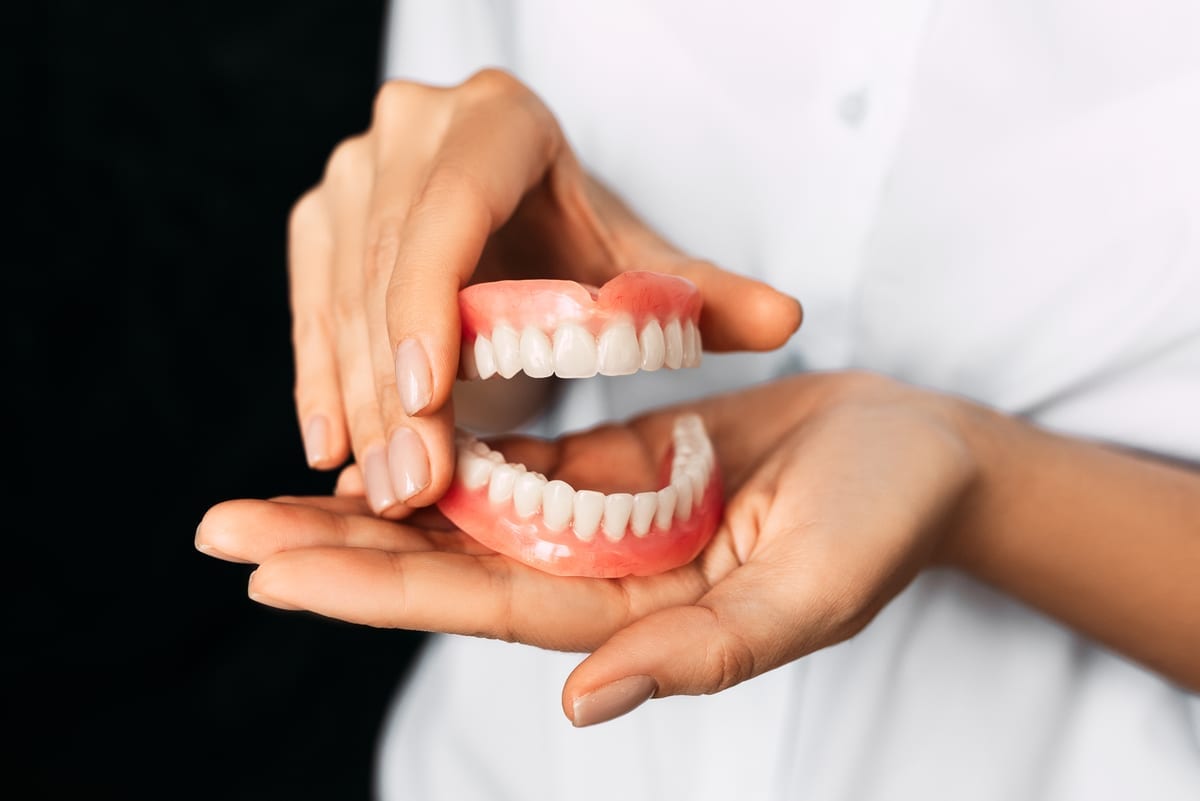
- Partial dentures, which are removable and less permanent
Each replacement option adds significant cost to that initial extraction. When you add everything together, extraction plus replacement often costs more than a root canal plus crown. Patients searching for Options For Replacing All Of My Teeth Morrisville quickly discover that preserving natural teeth is almost always the smarter financial decision.
Long-Term Health Impact: Why Saving Your Tooth Matters
Your natural teeth do far more than chew food. They maintain the structure of your jawbone and keep neighboring teeth properly aligned. When a tooth is extracted and not replaced, the jawbone beneath it begins to shrink. This process is called bone resorption, and it can dramatically change your facial appearance over time.
A root canal preserves the natural tooth root. The root continues to stimulate the jawbone and prevent bone loss. That single benefit alone has major long-term health implications. Bone loss affects not just your smile, but your ability to chew, speak, and even breathe properly.
Here are key long-term health risks of leaving a gap after extraction:
- Neighboring teeth drift and tilt toward the gap
- Your bite alignment shifts, causing jaw pain or TMJ issues
- Jawbone density decreases in the empty area
- Remaining teeth face increased stress and wear
- Your facial structure can appear sunken or aged
A root canal eliminates infection while keeping your natural anatomy intact. This protects your overall oral health for years to come. Dr. Patel at Dental Care of Morrisville always evaluates whether a tooth is saveable before recommending extraction.
When Is Extraction Actually the Right Choice?
Root canals are not always the answer. Some situations make extraction the more appropriate recommendation. Dr. Patel will assess several clinical factors before advising either option. Honest evaluation always comes before any treatment recommendation.
Extraction may be the better choice when:
- The tooth is severely fractured below the gum line
- Bone loss around the tooth is too advanced to support it
- The tooth has failed a previous root canal and cannot be retreated
- There is not enough tooth structure remaining to hold a crown
- Infection has spread beyond the tooth into surrounding bone
In these cases, attempting to save the tooth may not be clinically possible. A skilled extraction followed by a well-planned replacement strategy can still lead to excellent outcomes. The key is having a replacement plan ready from the start.
If you are exploring your options after a difficult extraction, Dr. Patel can guide you through every replacement choice available. Whether you are considering implants or other solutions, early planning prevents the long-term complications described above.
Root Canal vs. Extraction: Recovery and Daily Life in Morrisville
Recovery from both procedures is often quicker than patients expect. A root canal typically causes mild soreness for a few days. Most patients return to normal activities the same day or the day after. The tooth will need a crown placed soon after to complete treatment.
Extraction recovery varies based on the complexity of the removal. Simple extractions heal within a week for most patients. Surgical extractions, such as impacted wisdom teeth, may require longer healing. There is also a risk of dry socket if aftercare instructions are not followed carefully.
After an extraction, you will need to avoid the gap until it heals fully. Then you begin the process of choosing and placing a replacement. That entire timeline — healing, planning, and placing a replacement — can stretch over several months. A root canal, by comparison, restores full function much faster.
If you are a student or young adult also considering cosmetic improvements to your smile, it is worth knowing that addressing dental health first always improves cosmetic results. Many patients also want to Improve Your Smile For Senior Pictures Morrisville — and a healthy, intact smile is always the best foundation for those enhancements.
How Dr. Himanshu Patel Helps Morrisville Patients Decide
Dr. Patel takes a thorough, individualized approach with every patient. He examines X-rays, assesses the extent of infection, and evaluates the structural health of the tooth. He explains every option clearly and without pressure. His goal is always to help patients make the decision that fits their oral health and their life.
Dental Care of Morrisville offers both root canal treatment and extractions performed with patient comfort as the top priority. If a root canal is needed, Dr. Patel walks you through each step before starting. If extraction is unavoidable, he outlines a clear replacement plan at the same appointment.
Making the right choice early prevents larger, more expensive problems later. The root canal vs. extraction decision in Morrisville does not have to feel overwhelming. With the right information and the right provider, it becomes a straightforward conversation.
Do not wait until pain forces your hand. Early treatment almost always leads to better outcomes and lower overall costs. Book Now to schedule your appointment with our team.
Frequently Asked Questions
Is a root canal more expensive than an extraction upfront?
In most cases, yes — a root canal combined with a crown costs more upfront than a simple extraction. However, when you factor in the cost of tooth replacement after extraction, such as a dental implant or bridge, the total long-term cost of extraction is often higher than a root canal.
How long does a root canal take to complete?
Most root canals at Dental Care of Morrisville are completed in one or two appointments. The first appointment treats the infection and seals the canal. A follow-up appointment places the permanent crown to protect the tooth. Total treatment time is typically spread over a few weeks.
Does a root canal hurt more than an extraction?
Most patients report that both procedures are far less painful than expected thanks to modern local anesthesia. A root canal relieves the pain of an infected tooth rather than causing it. Post-procedure soreness is usually mild and managed easily with over-the-counter pain relievers.
What happens if I pull a tooth and do not replace it?
Leaving a gap after extraction leads to a chain of problems over time. Neighboring teeth drift into the empty space, your bite shifts, and your jawbone loses density beneath the gap. These changes can cause jaw pain, difficulty chewing, and noticeable changes to your facial shape.
How do I know if my tooth can be saved with a root canal?
Dr. Himanshu Patel will take detailed X-rays and perform a clinical examination to determine whether your tooth is a good candidate for a root canal. Factors like remaining tooth structure, bone support, and extent of infection all play a role. The earlier you seek care, the more options you are likely to have.