No Insurance? No Problem! Join Our Advantage Plan


Teeth Cleanings Every 3 Months in Morrisville, NC

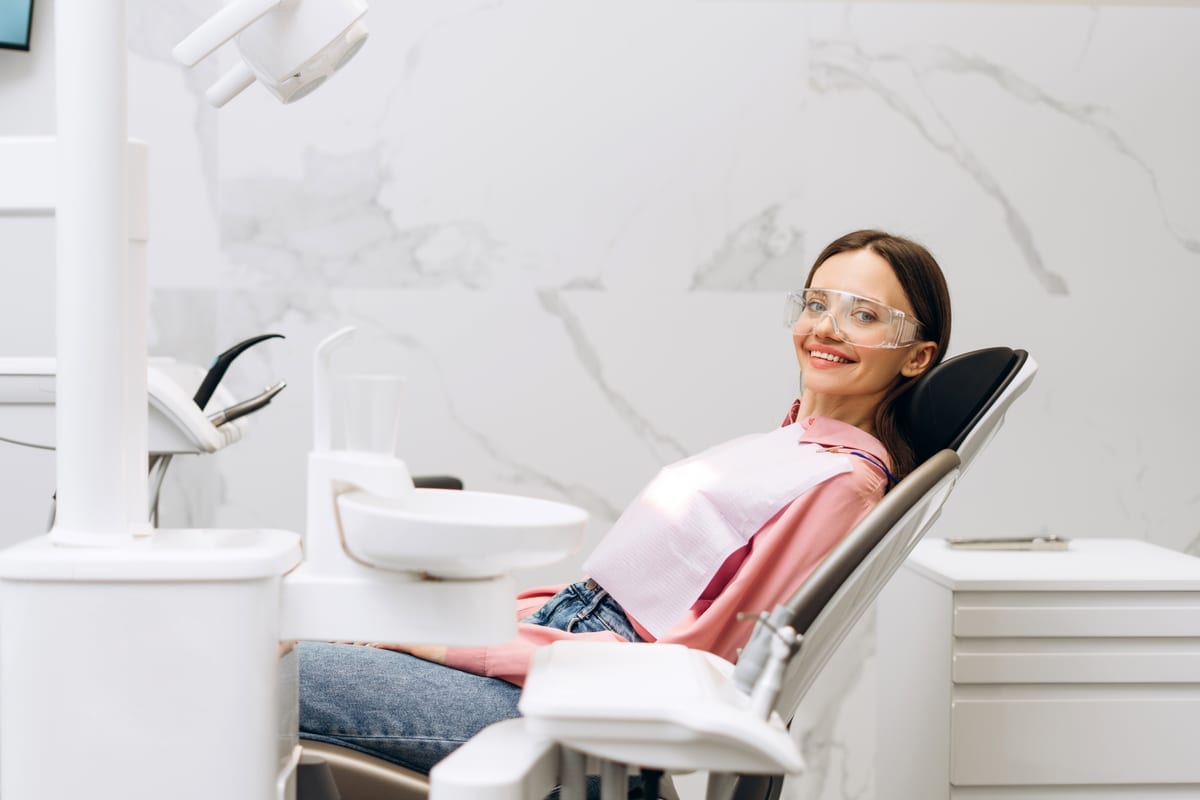
Most people grow up hearing the same advice: visit your dentist every six months. But that guideline does not apply to everyone. Why you might need teeth cleanings every 3 months, not 6 in Morrisville is a question Dr. Himanshu Patel hears often. The answer depends on your unique oral health needs — and understanding them could protect your smile for years to come.
At Dental Care of Morrisville, we tailor every patient’s care plan to their specific situation. A one-size-fits-all schedule simply does not work in dentistry. Some patients genuinely thrive with twice-yearly visits. Others need more frequent attention to stay ahead of serious dental problems.
Why the Standard 6-Month Rule Exists — and When It Falls Short
The twice-yearly cleaning recommendation came from a mid-20th century advertising campaign. Over time, it became a widely accepted dental standard. For patients with healthy gums and low cavity risk, six months works well. But for many others, this timeline leaves too much room for problems to develop.
Plaque and tartar build up at different rates for different people. Genetics, diet, medications, and existing gum disease all influence how quickly harmful bacteria accumulate. Waiting six months between cleanings can allow that bacteria to cause real damage. More frequent visits help interrupt that cycle before it escalates.
Here in Morrisville, our team regularly identifies patients who have been on a six-month schedule but still show signs of gum inflammation. Switching them to three- or four-month intervals often makes a dramatic difference. Prevention is always more effective than treatment.
Key Factors That Determine Your Ideal Cleaning Frequency in Morrisville
Every cleaning schedule at Dental Care of Morrisville begins with a thorough evaluation. Dr. Patel considers several important factors before recommending how often you should come in. These factors are based on clinical evidence, not guesswork.
Here are the most common reasons patients need cleanings every three to four months:
- Active gum disease (periodontitis): Bacteria recolonize periodontal pockets quickly after treatment. More frequent cleanings slow this process significantly.
- History of gum disease: Even if your gum disease is under control, your risk of recurrence remains higher than average.
- Dry mouth: Saliva helps neutralize bacteria. Medications or health conditions that reduce saliva increase your cavity and gum disease risk.
- Diabetes: High blood sugar creates an environment where oral bacteria thrive. Diabetic patients often benefit from more frequent monitoring and cleaning.
- Tobacco use: Smoking or using smokeless tobacco dramatically increases plaque buildup and gum disease risk.
- Weakened immune system: Certain medical conditions or treatments reduce your body’s ability to fight oral infections.
- High cavity rate: If you regularly develop new cavities, your oral bacteria levels are likely elevated and need more aggressive management.
- Orthodontic appliances: Braces and aligners can trap food and bacteria, increasing the need for professional cleaning.
If any of these apply to you, a three-month schedule may be exactly what your mouth needs. Dr. Patel will walk you through the reasoning at your appointment.
What Happens During a 3-Month Cleaning Visit
A three-month cleaning — often called a periodontal maintenance appointment — is more focused than a routine cleaning. It targets areas where your gum disease history or risk factors make you most vulnerable. The goal is to prevent pockets from deepening and inflammation from returning.
During these visits, your hygienist will carefully clean above and below the gumline. Special attention goes to any areas with a history of deeper pockets. Pocket depth measurements may be taken periodically to track your progress. This level of detail simply cannot happen when visits are spaced too far apart.
Your hygienist will also provide personalized home care guidance. Small changes in brushing technique or flossing habits can make a significant difference between visits. These appointments are collaborative — we teach you what to do at home so we can do less intervention in the chair.
How More Frequent Cleanings Protect Your Long-Term Oral Health
Gum disease is the leading cause of tooth loss in adults. It also has documented links to heart disease, diabetes complications, and other systemic health issues. Catching and managing it early is one of the most important things you can do for your overall health. Three-month cleanings give your care team more opportunities to catch changes before they become serious.
Patients who stick to a prescribed three-month schedule often see measurable improvements over time. Gum pockets can shrink. Bleeding on probing decreases. Bone loss slows or stops. These are real, clinical outcomes that protect your natural teeth for the long term.
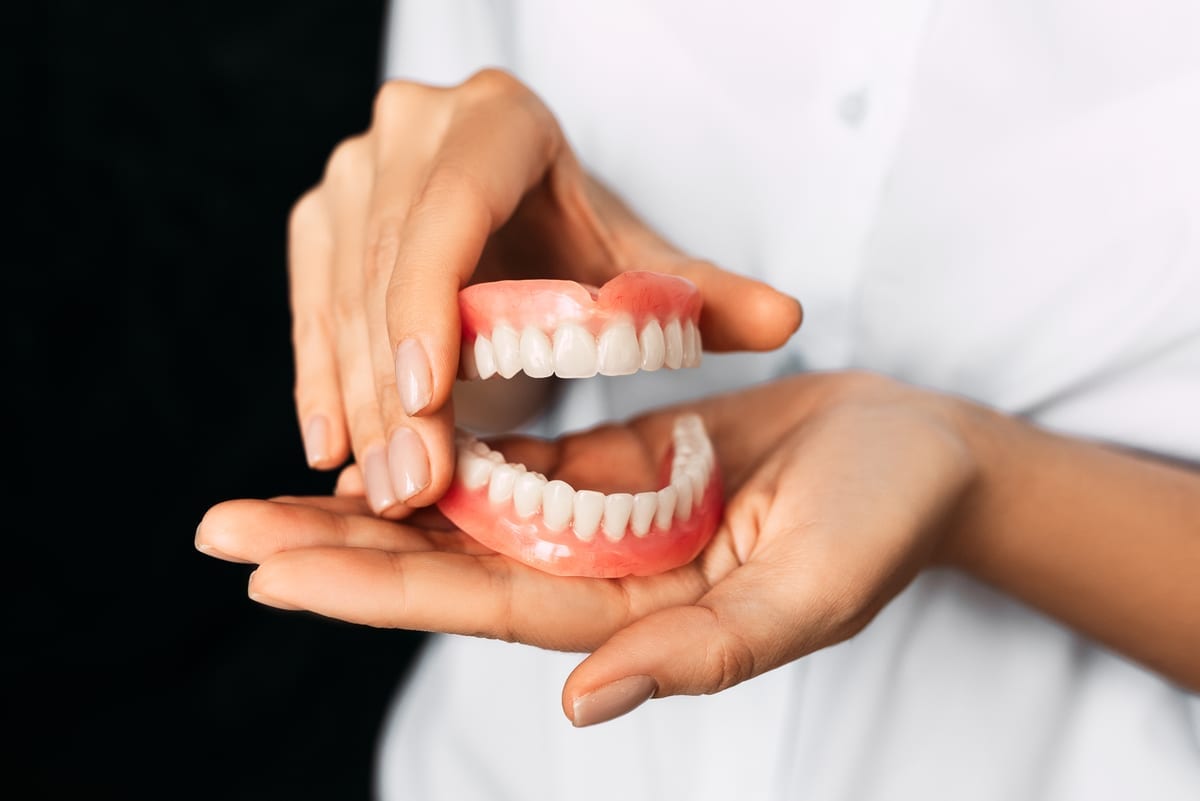
Consider what is at stake when teeth are lost. Exploring your Options For Replacing All Of My Teeth becomes necessary when prevention fails. Restorative solutions exist, but nothing replaces the function and feel of your natural teeth. Preventive care is always the better investment.
Benefits of staying on a 3-month cleaning schedule include:
- Slower progression of gum disease
- Reduced risk of tooth loss over time
- Earlier detection of cavities and other issues
- Lower likelihood of needing complex restorative work
- Better systemic health outcomes linked to improved gum health
- Greater confidence in your smile for everyday life
Patients preparing for big moments also benefit from consistent care. Whether you want to Improve Your Smile For Senior Pictures or feel confident at a job interview, a healthy foundation matters. Frequent cleanings keep that foundation strong.
When You Can Scale Back to Every 6 Months
A three-month schedule is not necessarily permanent. In some cases, patients show enough improvement to return to a less frequent schedule. This transition happens when your gum health is stable and your risk factors have decreased. Dr. Patel will make that recommendation when the clinical evidence supports it.
The key is consistency. Patients who keep their three-month appointments consistently tend to see the best results. Missing even one or two visits can allow bacterial levels to climb back to harmful levels. Think of it less as a burden and more as a regular investment in your health.
If you are not sure what schedule is right for you, the best step is a comprehensive exam. Our Morrisville team will assess your gum health, cavity risk, and overall oral condition. From there, we build a plan that fits your actual needs — not a generic recommendation.
Frequently Asked Questions
How do I know if I need cleanings every 3 months instead of 6?
Your dentist or hygienist will evaluate your gum pocket depths, bone levels, and overall oral health. Patients with a history of gum disease, high cavity rates, or certain medical conditions often benefit from more frequent visits. Dr. Patel will make a personalized recommendation after your exam.
Is a 3-month cleaning the same as a regular cleaning?
Not exactly. A three-month cleaning is typically a periodontal maintenance appointment. It involves more detailed cleaning below the gumline and closer monitoring of areas affected by gum disease. It is more targeted than a standard preventive cleaning.
Will I always need to come in every 3 months?
Not necessarily. If your gum health improves and stabilizes over time, Dr. Patel may recommend returning to a six-month schedule. The goal is always to achieve and maintain the healthiest possible outcome with the appropriate level of care.
Does more frequent cleaning damage my teeth or gums?
No. Professional cleanings performed by a trained hygienist are safe and gentle. More frequent cleanings do not wear down enamel or harm gum tissue. In fact, they help reduce inflammation and protect the structures that support your teeth.
What can I do at home between 3-month visits?
Brushing twice daily with a soft-bristle toothbrush and flossing at least once a day are essential. Your hygienist may also recommend an antimicrobial rinse or other tools based on your specific needs. Consistent home care between visits plays a major role in your overall results.
If you are unsure whether your current cleaning schedule is right for you, our team at Dental Care of Morrisville is here to help. Dr. Himanshu Patel and our hygiene team will give you an honest, personalized assessment. Book Now to schedule your appointment with our team.