No Insurance? No Problem! Join Our Advantage Plan


Teeth Whitening Without the Ache: Why Sensitivity Happens and How to Prevent It

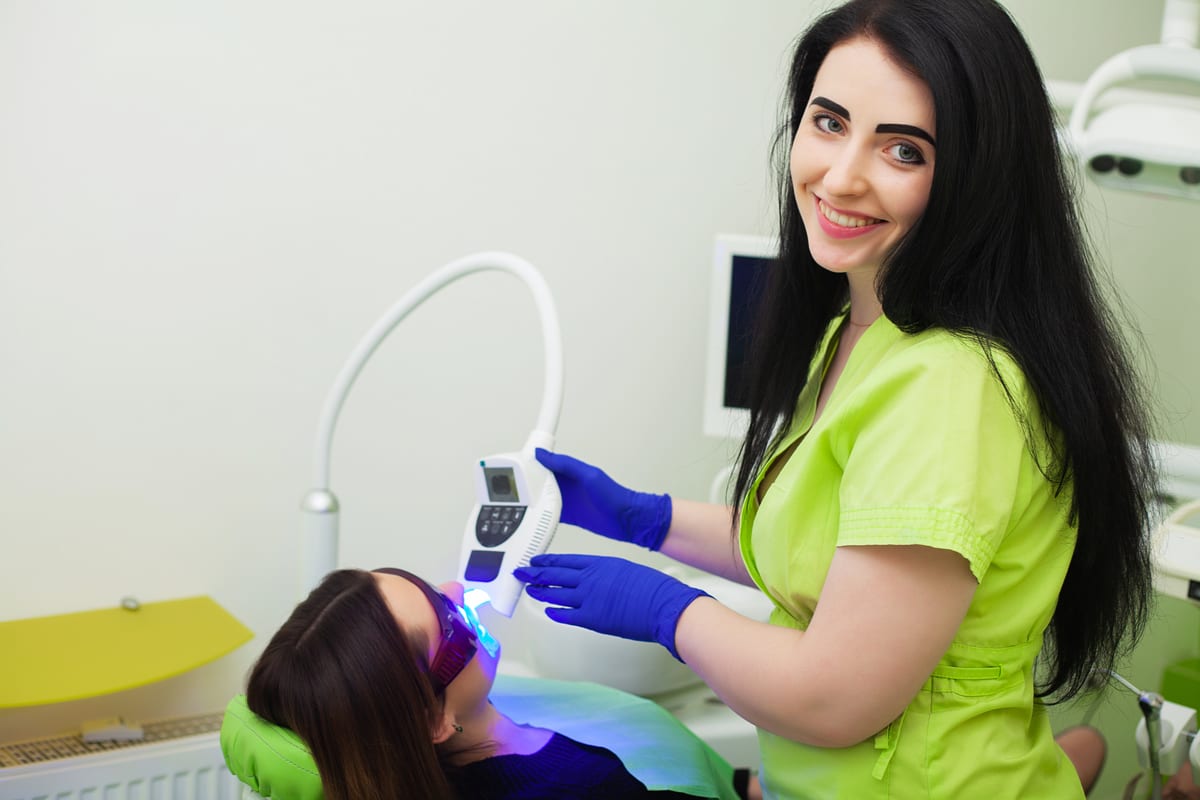
A brighter smile is one of the most popular goals our patients share at Dental Care of Morrisville. But for many people, the fear of post-whitening sensitivity holds them back. If you’ve been wondering about teeth whitening without the ache — why sensitivity happens and how to prevent it in Morrisville — you’re not alone. Dr. Himanshu Patel and our team hear this concern regularly. The good news is that sensitivity is manageable, and in many cases, fully preventable with the right approach.
Why Does Teeth Whitening Cause Sensitivity in the First Place?
Understanding sensitivity starts with understanding how whitening works. Whitening agents — most commonly hydrogen peroxide or carbamide peroxide — penetrate the outer enamel layer. They reach the inner dentin and break apart stain molecules sitting there.
Dentin contains tiny channels called tubules. These tubules connect directly to the nerve inside your tooth. When whitening gel passes through enamel and stimulates those tubules, your nerve registers the sensation. That’s the zing or ache some patients feel.
Sensitivity is almost always temporary. It typically fades within 24 to 48 hours after treatment. However, the intensity varies based on a few personal factors, including enamel thickness, existing gum recession, and the concentration of the whitening agent used.
Who Is Most Likely to Experience Whitening Sensitivity in Morrisville?
Not everyone experiences sensitivity the same way. Some patients feel nothing at all. Others notice sharp, shooting sensations — sometimes called
Frequently Asked Questions
Why do my teeth hurt after whitening treatments?
Teeth sensitivity after whitening occurs because the bleaching agents temporarily open microscopic pores in your enamel, exposing the dentin underneath. This exposes nerve pathways that trigger pain when exposed to temperature changes or pressure. The sensitivity is usually temporary and subsides within a few days to a week.
Can I prevent sensitivity before starting a whitening treatment?
Yes, you can take several preventative steps before whitening, including using a desensitizing toothpaste for 2-3 weeks beforehand and avoiding acidic foods and drinks that weaken enamel. You should also ensure your gums are healthy and have no cavities, as these conditions can increase sensitivity during treatment. Consulting your dentist before whitening is the best way to develop a personalized prevention plan.
Is it safe to whiten my teeth at home if I have sensitive teeth?
Home whitening can be safe for sensitive teeth, but it requires caution and the right products. Lower-concentration whitening strips or trays are generally safer than professional-strength treatments, and you can use them for shorter durations to minimize discomfort. If you have existing sensitivity issues, discussing options with your dentist first ensures you choose the safest method for your situation.
What should I do if whitening sensitivity becomes unbearable?
If you experience severe sensitivity, stop the whitening treatment immediately and rinse your mouth with lukewarm water. You can apply a fluoride gel or use sensitivity relief products to soothe your teeth, and taking over-the-counter pain relievers may help temporarily. Contact your dentist if the pain persists, as they can provide professional desensitizing treatments or recommend alternative whitening methods.
How long does teeth sensitivity last after whitening?
Most people experience sensitivity for 24 to 48 hours after whitening, though it can occasionally last up to a week depending on the treatment intensity and individual tooth sensitivity. The pain typically decreases gradually as your enamel remineralizes and the microscopic pores close. Using fluoride products and sensitivity toothpaste during recovery can help speed up the process.