No Insurance? No Problem! Join Our Advantage Plan


Veneers vs. Bonding in Morrisville, NC

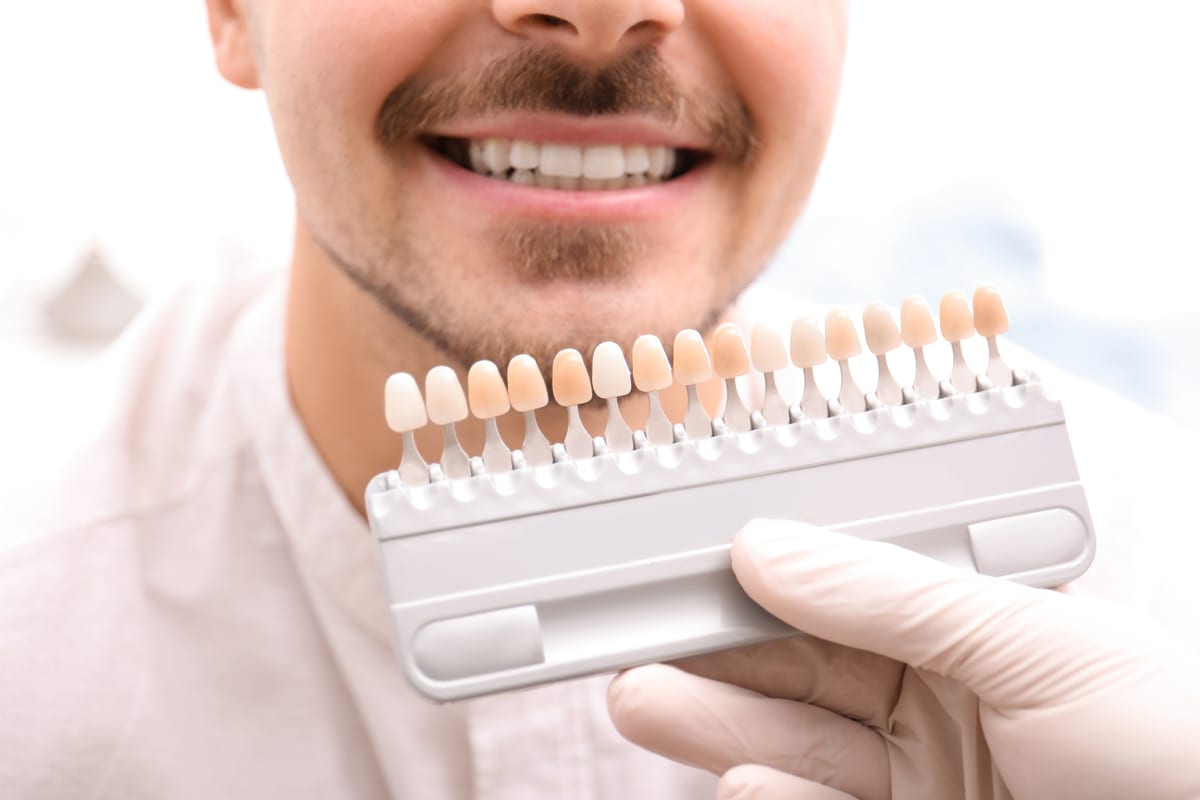
Choosing between veneers and dental bonding is one of the most common dilemmas patients face. If you’re weighing veneers vs. bonding and which smile fix matches your budget in Morrisville, you’re not alone. Both treatments can dramatically improve your smile. But they differ in cost, process, durability, and ideal use cases. This guide breaks it all down so you can make a confident, informed decision.
What Are Veneers and What Is Dental Bonding?
Before comparing costs, it helps to understand what each treatment actually involves. Veneers are thin porcelain or composite shells bonded to the front of your teeth. They are custom-crafted in a dental lab and require some enamel removal. The result is a polished, uniform smile that resists staining beautifully.
Dental bonding is a more direct approach. Your dentist applies a tooth-colored composite resin directly to the tooth surface. The resin is shaped and hardened with a curing light. No lab work is required, and the process is typically completed in a single visit.
Both options can correct chips, gaps, discoloration, and minor shape issues. The right choice depends on your goals, timeline, and budget. Dr. Himanshu Patel at Dental Care of Morrisville helps patients evaluate both options during a personalized consultation.
Veneers vs. Bonding in Morrisville: Breaking Down the Costs
Cost is often the deciding factor for many patients. Dental bonding is generally the more affordable option upfront. A single bonded tooth typically costs significantly less than a porcelain veneer. This makes bonding an attractive choice for patients on a tighter budget.
Veneers, on the other hand, involve lab fabrication and more chair time. The investment per tooth is higher, but the results tend to last much longer. Over time, veneers may actually offer better long-term value because they need fewer touch-ups or replacements.
Here is a quick cost comparison to help frame your decision:
- Dental bonding: Lower upfront cost per tooth, often completed in one visit
- Porcelain veneers: Higher initial investment, but longer-lasting results
- Composite veneers: A middle-ground option — more durable than bonding, less expensive than porcelain
- Number of teeth treated: Treating multiple teeth raises total costs for both options
Ask Dr. Patel for a personalized estimate during your consultation. Morrisville patients are often surprised by how accessible cosmetic dentistry can be with the right plan.
Longevity and Durability: Which Treatment Lasts Longer?
Durability is where veneers and bonding differ most significantly. Porcelain veneers typically last 10 to 15 years with proper care. They resist staining better than composite resin. This makes them the preferred choice for patients who want a long-term solution.
Dental bonding generally lasts 5 to 7 years before it may need repair or replacement. The composite resin is more prone to chipping and staining over time. Coffee, tea, and red wine can dull the surface faster than porcelain.
That said, bonding can be repaired easily and quickly. If a bonded tooth chips, your dentist can often fix it in a single short appointment. Damaged veneers may require a full replacement, which adds to the long-term cost.
Consider these durability factors when making your choice:
- Veneers resist stains and last longer with minimal upkeep
- Bonding is easier and cheaper to repair if damaged
- Both require regular brushing, flossing, and dental checkups
- Grinding your teeth (bruxism) can shorten the life of both treatments
- A nightguard may be recommended to protect your investment
Invasiveness: How Much Does Each Procedure Change Your Teeth?
One important factor patients overlook is how each procedure affects the natural tooth. Veneers require your dentist to remove a thin layer of enamel. This step is permanent — once enamel is removed, it cannot grow back. That means veneers are a lifelong commitment for that tooth.
Dental bonding is far less invasive. In most cases, little to no enamel removal is necessary. The resin bonds directly to the tooth surface with minimal preparation. This makes bonding a reversible or easily modifiable option for many patients.
If you’re nervous about altering your natural teeth, bonding may feel like a safer starting point. You can always upgrade to veneers later if your goals change. Dr. Patel takes time to explain every step so Morrisville patients never feel rushed into a decision.
For patients exploring more extensive smile transformations, it’s also worth reviewing your Options For Replacing All Of My Teeth to understand the full range of available treatments.
Which Smile Fix Is Right for Your Specific Concern?
The best treatment depends heavily on what you’re trying to fix. Bonding works well for minor chips, small gaps, and slight discoloration. It’s also a practical choice for younger patients or for a single problem tooth. Results look natural and the treatment is fast.
Veneers are ideal when you want a comprehensive smile makeover. They work best for multiple teeth with significant staining, size inconsistencies, or shape irregularities. If you’re preparing for a major life event — like graduation photos — veneers deliver a dramatic, camera-ready result. You may also want to explore how to Improve Your Smile For Senior Pictures in time for your milestone moment.
Here’s a simple breakdown to guide your thinking:
- Choose bonding if: You have one or two minor flaws and want a fast, affordable fix
- Choose veneers if: You want a long-lasting, uniform smile across multiple teeth
- Ask about composite veneers if: You want something in between — more coverage than bonding, lower cost than porcelain
Every smile is different. A personal consultation with Dr. Patel at Dental Care of Morrisville gives you a tailored recommendation based on your actual teeth and goals.
Making Your Decision in Morrisville: Next Steps
Weighing veneers vs. bonding doesn’t have to feel overwhelming. Both are proven, effective cosmetic solutions used every day in dental offices across Morrisville, NC. The right choice comes down to your budget, how long you want results to last, and how much you want to change your natural tooth structure.
Start by scheduling a smile consultation at Dental Care of Morrisville. Dr. Patel will examine your teeth, listen to your concerns, and walk you through both options in plain language. You’ll leave with a clear picture of what each treatment involves and what it will cost.
Don’t wait to get the smile you’ve been thinking about. Book Now to schedule your appointment with our team.
Frequently Asked Questions
Is dental bonding as strong as veneers?
Dental bonding is durable for everyday use but is more prone to chipping and staining compared to porcelain veneers. Veneers are made from harder materials and typically last significantly longer. Bonding is easier to repair, but veneers offer more resilience over time.
How long does the dental bonding procedure take?
Most dental bonding procedures are completed in a single appointment lasting 30 to 60 minutes per tooth. No lab work is needed because the composite resin is applied and shaped directly in the office. This makes bonding one of the fastest cosmetic dental treatments available.
Can I get veneers if I have sensitive teeth?
Tooth sensitivity is an important factor to discuss with your dentist before getting veneers. Because veneers require some enamel removal, sensitivity may increase temporarily after placement. Dr. Patel evaluates each patient’s enamel health before recommending veneers to ensure the best outcome.
How do I maintain veneers or bonded teeth?
Both veneers and bonded teeth require regular brushing, flossing, and professional cleanings. Avoid biting hard objects like ice or pen caps, which can chip either material. Limiting staining beverages like coffee and tea helps preserve the appearance of bonded teeth especially.
Can bonding be used as a temporary fix before getting veneers?
Yes, many patients use dental bonding as an initial step while saving for veneers. Bonding can address immediate cosmetic concerns at a lower cost. When you’re ready, your dentist can transition you to veneers for a more permanent and refined result.