No Insurance? No Problem! Join Our Advantage Plan


What Happens If a Dental Implant Fails During Surgery?

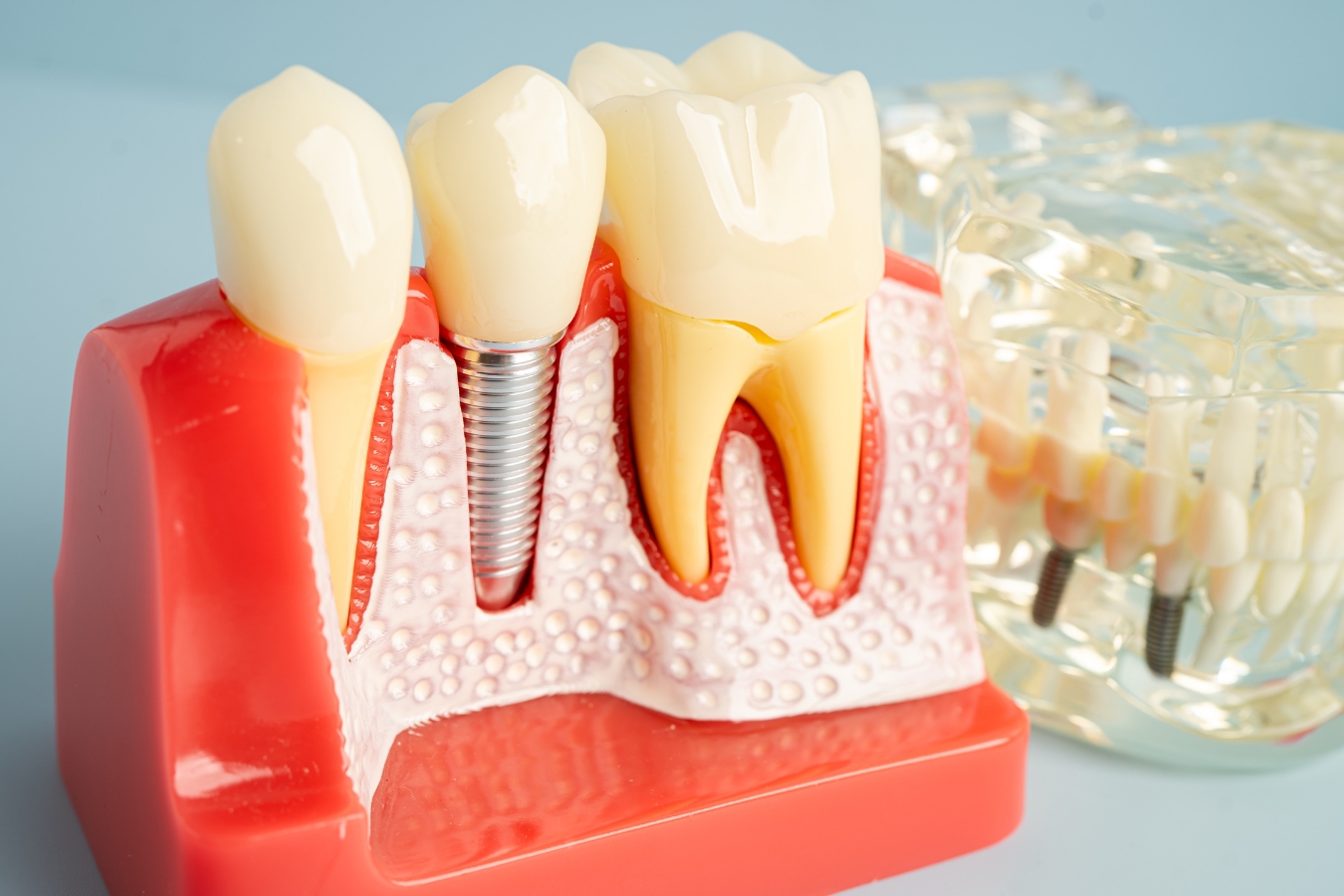
Dental implants have truly revolutionized the situation for those with single or multiple missing teeth. However, are you worried about things going wrong in the operation room? These thoughts can raise numerous questions and concerns in your mind. Knowing how dental professionals handle the treatment can help you stay calm.
Read this blog to learn if there is actually a possibility of this tooth replacement option failing in the surgery room and how dentists handle it.
Common Causes of Implant Surgery Failure
Here are some of the major causes that might affect the success rate of your surgery:
- The post used in this dental device requires hard bone to anchor into. If your jawbone is too soft or thin, then the titanium post cannot find enough ground to stay stable.
- Bacteria can infect the site, leading to inflammation. This may weaken your gums and lead to the failure of this tooth replacement option.
- Poor placement can impact nerves, leading to numbness or pain, or penetrate the sinus cavity, leading to complications.
- You might experience surgical complications due to unforeseen bleeding or tissue trauma.
What Is Done Right Away After A Failed Implant Surgery?
If dental implants in Morrisville fail during surgery, the oral surgeon or dentist will stop the surgery to evaluate the situation. Here’s what typically happens next:
- First, the dental professionals will remove the failed post to avoid further damage and infection.
- The area is then cleaned properly to minimize infection risks and speed up the healing process.
- The surgeon will assess your bone quality, health of the tissues, and any anatomical issues that may have led to the failure.
- Based on the severity of your condition, the dental professional will advise you to wait for healing before trying another dental implant or investigating other treatment options.
Pre-Surgical Evaluation
Here are certain habits that might weaken your jawbone and increase the risk of surgery failure:
- Proper oral hygiene can keep your teeth and gums healthy. Lack of brushing and flossing makes you prone to infections.
- Lifestyle habits such as excessive smoking and drinking might weaken the bond of your jawbone.
- If you failed to follow the post-op care instructions, this might expose your operation site to infections.
How Does This Affect the Patient?
A failed dental implant surgery will naturally make you worry. You may experience discomfort, swelling, or bruising, but these are normally treatable using medication and treatment. Here are some solutions that might help:
Bone grafting can deal with bone loss or low jawbone density to successfully reconstruct the site to support future implants. In cases of upper jaw implants near the sinuses, a sinus membrane lift can create space for a stable implant.
You don’t need to lose all hope because of a failed dental implant surgery. With proper care and professional supervision, you can undergo the process again. Healing periods largely depend on your personal health, but patience does pay off.
The dental professionals will keep track of your healing and provide you with additional care to ensure that you can get the benefits of this particular tooth replacement option.
If you have been considering trying dental implants, a dental professional will be more than happy to walk you through the different pros and cons. That way, you can make informed decisions about your health.
Are you ready to fill the gap left by your missing teeth? Contact us today to explore more.