No Insurance? No Problem! Join Our Advantage Plan


Why Oral Cancer Screening Includes Tongue Checks?

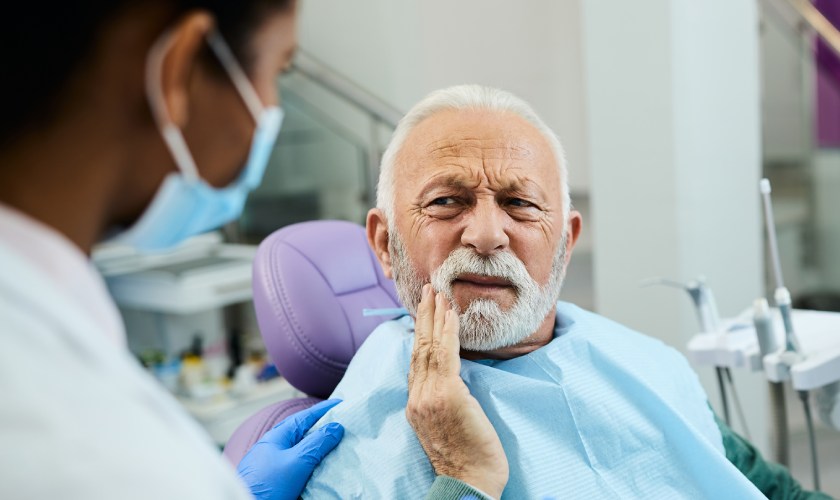
Oral cancer screenings are completely different from your regular dental check-ups. During this procedure, the dentist will thoroughly check your tongue and cheeks as these spots can often hide signs of oral cancer and are quite easy to miss. Moreover, the intricate texture of the tongue and its exposure to irritants are the perfect spigot for future problems.
Read this blog to learn the effects of oral cancer and how the tongue can develop early signs of this disease.
Why the Tongue Warrants Extra Attention?
Tongue is not only a muscle for tasting and talking; it’s a site where oral cancers, especially squamous cell carcinoma, can develop. The dorsal surface of the tongue may have lesions or patches that are innocuous-looking but may be precancerous or cancerous. Since changes may be indistinct, a thorough look is essential.
During screening, they will gently feel your tongue to look for any bumps, sores, or abnormalities that might not be visible to a layman like you. The base and back of the tongue are also closely examined. This thorough process reveals abnormalities before they become more potent.
What Happens During an Oral Cancer Screening?
Oral cancer screening is a painless and quick procedure. Dental professionals may perform it during your routine dental visit. Here’s what generally occurs:
- Visual Inspection: The dentist or medical professional will inspect your entire mouth, such as the lips, gums, cheeks, top, tongue, and bottom of the mouth. They scan for abnormal spots, sores, or discolorations.
- Palpation: They use their fingers to check the tongue and tissues surrounding it for lumps or hard spots that may not be seen.
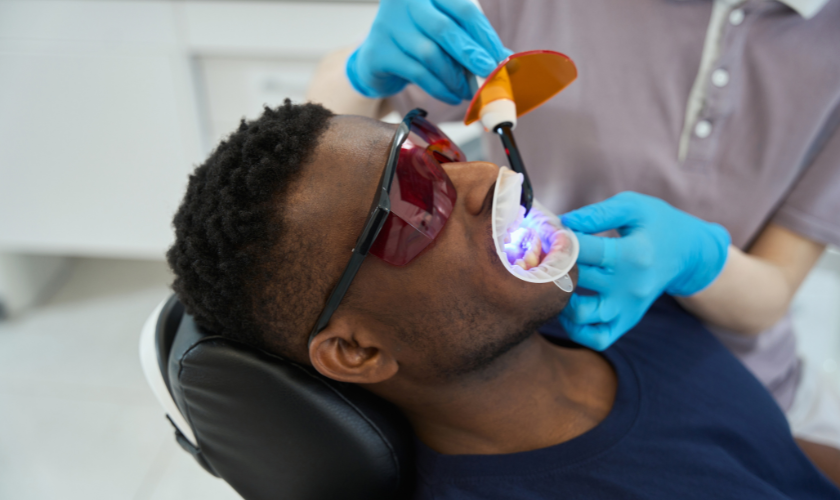
- Use of Special Tools: Sometimes special dyes or lights are used to spot abnormal cells, which may not be evident in regular lighting.
If something abnormal is detected, additional testing, like a biopsy, may be used to identify cancerous cells.
Why Early Detection Matters?
Oral cancer can be deceptive. It might be free from any pain or visible symptoms in the early stages. Late diagnosis results in complex treatments and reduced survival rates. According to studies, when this disease is detected at a localized stage, it increases the survival rate by 86.3%
At the early stage, treatments can be less aggressive. Additionally, early detection can help minimize the requirement for extensive surgeries, radiation, or chemotherapy. So you won’t have to undergo the side effects caused by aggressive procedures, and you can recover more quickly as well.
Who Should Be Screened?
Anybody can develop oral cancer. However, some factors raise the risk, including tobacco use, excessive alcohol use, HPV infection, and long-term sun exposure to the lips. Oral cancer screening is extremely beneficial if you are in the high-risk groups.
Since tongues often develop the early signs of this oral disease, incorporating tongue checks in screenings can act as a preventive measure. Periodic screenings allow you to gain control of your oral wellness and detect potential issues.
Adding tongue checks to your oral cancer screening is an active way to protect your oral health. This is an easy and efficient way of uncovering a lot. If you haven’t undergone this procedure, it’s time for you to schedule a consultation with the dentist. This compact powerhouse of muscle in your mouth can identify issues that might go undetected.
Are you ready to protect yourself from this deadly disease? Schedule a consultation today!