No Insurance? No Problem! Join Our Advantage Plan


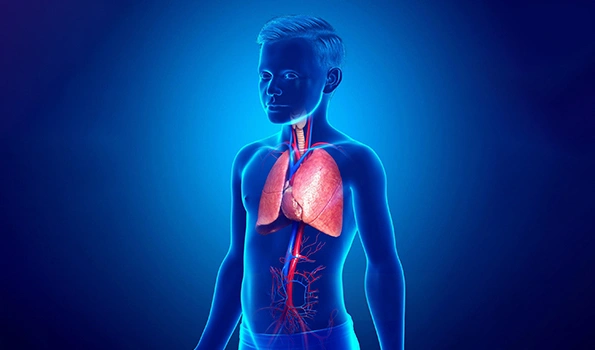
Oral-Systemic Connection
Many patients are unaware of the oral-systemic link, referring to the link between dental health and the body’s overall health . Routine visits with a complete health dentist may act as effective preventive care.
Total health dentistry is available at Dental Care of Morrisville in Morrisville and the surrounding area. We put our patients’ safety and comfort first. Call us today at (919) 588-3000 to schedule an appointment or to learn more about our services.
Understanding the Oral-Systemic Connection
According to the Mayo Clinic, research has found that gum disease is often indicative of various systemic conditions. As a primary entryway into the digestive and respiratory tracts, the mouth is a natural breeding ground for bacteria. While most of these bacteria are harmless, poor oral hygiene practices may enable them to multiply at dangerously high levels — putting the mouth at risk for various oral infections. Once inflammation enters the bloodstream, the body’s immune system will be at heightened risk for other systemic conditions.
Traditional dentists tend to treat isolated conditions rather than considering patients in their entirety. Additionally, most patients typically see dentists on an "as-needed" basis. In reality, they should make consistent visits to reap all the benefits of a complete health dentistry program. A total health dentist will go over a patient’s medical history to give them the most comprehensive treatment plan. In addition to screening for oral cancer, total health dentists can identify warning signs of other oral health issues and systemic conditions.
“According to the Mayo Clinic, research has found that gum disease is often indicative of other systemic conditions.”
Oral Health and Heart Disease
Though research on the relationship between the two is still ongoing, existing evidence makes it evident that oral health and heart disease are positively correlated. For instance, poor dental hygiene can increase a patient’s risk of developing a bacterial infection in the bloodstream, affecting the heart valves. As such, patients with artificial heart valves may particularly benefit from regular visits with a total health dentist.
Furthermore, patients have a two to three times higher risk of having a heart attack, stroke, or another serious cardiovascular event if they have periodontitis. Heart conditions such as atherosclerosis, dyslipidemia, and hypertension link to periodontal microorganisms. Additionally, there is a positive correlative relationship between tooth loss patterns and coronary artery disease.
“Though research on the relationship between the two is still ongoing, existing evidence makes it evident that oral health and heart disease are positively correlated in some way.”
The Effects of Chronic Oral Inflammation
The idea of the oral-systemic link is nothing new. According to the American Dental Association (ADA), it has been around since at least the late 19th century. However, it has not been until the last several decades that experts have found proven associations between oral health and systemic diseases (specifically cardiovascular diseases and diabetes). There are two possible reasons for this:
- Chronic inflammation in the oral cavity increases inflammatory markers’ levels in the bloodstream, negatively affecting the immune system.
- The oral cavity collects disease-causing bacteria that can enter the bloodstream.
As such, any failure to prevent or control periodontal diseases can increase the risk of adverse health outcomes. Invasive dental procedures can also increase the risk of stroke and myocardial infarctions. However, dental care may also have a positive impact on overall health: Treating periodontal diseases can effectively treat type 2 diabetes. Enhanced oral hygiene may prevent respiratory infections and death from pneumonia in elderly patients. In any case, dental care must be carried out with patients’ total health in mind.
“Chronic inflammation in the oral cavity increases levels of inflammatory markers in the bloodstream, negatively affecting the immune system.”
Oral Health and Nutrition
Oral health and diet affect each other directly. What a patient eats will naturally influence the health of the tissues in the mouth, while the health of the mouth will affect the patient’s ability to eat. Additionally, excessive sugar consumption can increase the risk of developing cavities. Frequent consumption of acidic foods and beverages can also increase the risk of erosive tooth wear.
Thus, good oral health is dependent on proper nutrition and healthy eating habits. Patients should avoid natural and added sugars, along with processed starches and low pH-level acids. Eating a nutritious, well-balanced diet and limiting the consumption of between-meal snacks can benefit both a patient’s overall and oral health.
“What a patient eats will naturally influence the health of the tissues in the mouth, while the health of the mouth will affect the patient’s ability to eat.”
Systemic Conditions Linked to Oral Health
Oral health is linked to a variety of systemic health conditions aside from heart disease. Some of the most prominent include diabetes, pneumonia, rheumatoid arthritis, and Sjorgen’s syndrome. As certain conditions may sometimes necessitate changes to oral health treatment, patients should be as forthcoming as possible about their medical history.
For example, diabetes and oral health have a bidirectional relationship — meaning treating one can treat the other. At the same time, diabetes reduces the body’s ability to resist infection, thus increasing the patient’s risk for gum disease. Research also suggests that poor oral hygiene increases elderly patients’ risk of developing pneumonia. Additionally, rheumatoid arthritis and periodontal disease are both linked to severe inflammation. Patients may become more susceptible to Sjogren’s syndrome as a result.
“As certain conditions may sometimes necessitate changes to oral health treatment, patients should be as forthcoming as possible about their medical history.”
Questions Answered on This Page
Frequently Asked Questions
New patients and emergency appointments welcome
Dental Terminology
Arthritis
Arthritis is chronic joint inflammation that causes pain and stiffness.
Bacteria
Bacteria are a large and diverse group of single-celled microorganisms, including some varieties that can cause diseases.
Bloodstream
The bloodstream is the blood that flows through the circulatory stream.
Dental Caries
Dental caries are also known as cavities and result from a lack of proper oral hygiene leaving plaque that forms tiny holes in the teeth.
Diabetes
Diabetes refers to a group of diseases that affects how the body produces or responds to the hormone insulin and causes high blood sugar.
Heart Attack
A heart attack is when blood flow to the heart becomes blocked and causes the tissues to lose oxygen and die.
Inflammation
Inflammation is the redness, swelling, and pain that is a part of the body’s natural response to protect itself from infection, toxins, or injury.
Oral Hygiene
Oral hygiene is the practice of maintaining the cleanliness of the mouth, teeth, and gums through brushing, flossing, and regular dental appointments.
Oral-Systemic Link
The oral-systemic link refers to the link between oral health and systemic health.
Periodontal Disease
Periodontal disease is a condition that causes inflammation of the gingival tissues and membrane of the teeth, leading to tooth loss without professional treatment.