No Insurance? No Problem! Join Our Advantage Plan


Probiotics and Prebiotics in Dental
The general public has long known about the benefits of probiotics and prebiotics for gut and gastrointestinal health. Research is now showing promising results of pro and prebiotics in relation to oral health and its impact on patients’ general health. Pro and prebiotics serve different functions but have shown significant health benefits to the oral cavity when taken simultaneously during dental treatment.
The prevention of bad bacteria is essential in promoting a healthy mouth. A balanced microbial environment in the oral cavity prevents disease and curbs decay while also enhancing the body’s overall health. The mouth is essentially a gateway to the rest of the body and its organs; limiting the amount of bacteria that enter the body can greatly reduce many health conditions.
Probiotics and prebiotics are available at Dental Care of Morrisville in Morrisville and the surrounding area. Our staff can help you learn more about the procedure you are undergoing and answer any questions you may have. Call us at (919) 588-3000 to schedule a consultation appointment today.
Differences Between Probiotics and Prebiotics
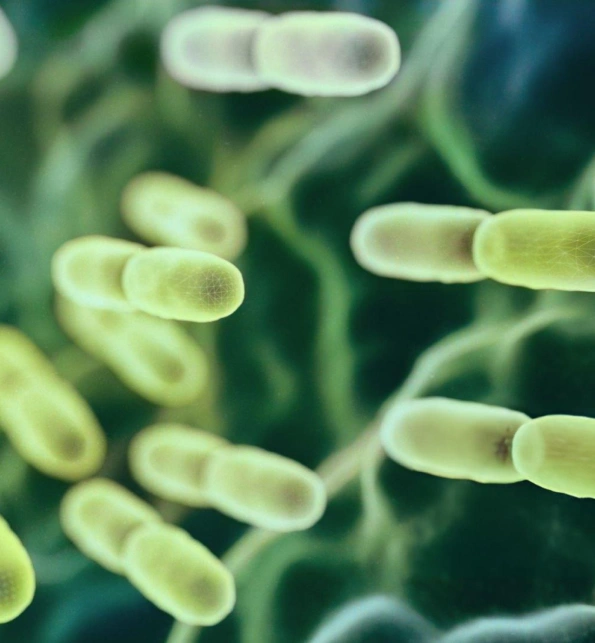
The main difference between probiotics and prebiotics is one is alive and the other is not. Probiotics are live organisms that carry health benefits and are similar to naturally living organisms in the body. They are non-toxic and benefit the host organism by reproducing bacteria in the mouth and oral cavity that help the body stay healthy.
Prebiotics are dietary supplements that favor and increase the growth of good bacteria over bad bacteria. According to Oral DNA Labs, "They empower your existing good bacteria (or good bacteria introduced through probiotics) to survive and establish a balanced ration of good-to-bad bacteria using nutrients to influence the oral environment." The relationship between pro- and prebiotics is similar to a seed (probiotic) and fertilizer (prebiotic); one is necessary to charge the other.
“The main difference between probiotics and prebiotics is one is alive and the other is not.”
Connection Between Probiotics and Oral Health
The oral cavity is home to a large amount of bacteria, many of which lead to diseases of the mouth and other organs. In fact, a special issue in Aegis on oral microbial wellness found, "Bacteria are a major component of the oral environment where more than 800 different microbial species co-exist, making the oral cavity the most diverse microbial population of the body." Probiotics aid in killing biofilm and plaque buildup, the main causes of bacterial diseases and infections.
Many new dental strategies involving the manipulation of good oral microbiota, which are provided by probiotics, have been implemented to prevent oral diseases. That is, many dentists, especially complete health dentists, have incorporated the use of probiotics to aid in creating a more bacterially-healthy oral environment in some patients. Patients who take probiotics orally have also seen a tremendous difference in their oral and general health.
“Probiotics aid in killing biofilm and plaque buildup, the main causes of bacterial diseases and infections.”
How to Increase Prebiotics in Diet
Prebiotics have active agents that stimulate the growth of probiotics in the oral cavity and gut. They are natural sugars and fibers that work with healthy bacteria and yeast to promote health. Medical News Today lists the most common foods that contain prebiotics as fruits, vegetables, legumes, cereal grains, nuts, and seeds. Various types of these foods can include:
- Fruits: bananas, custard apples, watermelon, grapefruit
- Vegetables: chicory, artichokes, garlic, onions, shallots, leeks, cabbage
- Legumes: chickpeas, lentils, red kidney beans, baked beans, soy beans
- Cereal grains: bran, barley, oats
- Nuts and seeds: almonds, pistachios, flaxseeds
- Dental
“They are natural sugars and fibers that work with healthy bacteria and yeast to promote health.”
Benefits of Probiotics
Probiotics have the ability to eliminate bad bacteria while increasing the growth of beneficial bacteria. A study in the Dentistry Journal found that "the nature and composition of any individual microbiome impacts the general health, being a major contributor to oral health." In turn, oral bacteria greatly contribute to general health and the functionality of various organ systems.
Healthline provides the major benefits of probiotics on oral health:
- They help prevent plaque
- Can help fight bad breath
- Can prevent oral cancers or reduce symptoms
- Manage symptoms of gingivitis
- Decrease inflammation of gum disease
Although these benefits are not guaranteed with all types of probiotics, beneficial factors increase with the use of them. Probiotics are also not harmful, and taking them only benefits the person as a heightened number of healthy bacteria leads to overall health.
“Probiotics have the ability to eliminate bad bacteria while increasing the growth of beneficial bacteria.”
Choosing the right probiotic for a specific health condition may be difficult, but the most important factor to consider is it must contain live and active bacterial cultures. The packaging on any probiotics should indicate whether or not they contain live bacteria. It is important to research or ask a doctor about effective probiotics for a specific health condition.
Gut Health
The most common use of probiotics is for gut and gastrointestinal health as one of the leading homes for microorganisms is the gut. Renew Life Ultimate Flora Extra Care Probiotics, Seed’s Daily Synbiotic, and Jarrow Formulas Ideal Bowel Support are well-known probiotics for the gut. These probiotics improve IBS symptoms, relieve constipation, and mitigate diarrhea.
Gum & Periodontal Disease
Gum and periodontal disease are common effects of harmful bacteria buildup, plaque, and tartar. Probiotics eliminate harmful bacteria in the mouth and reduce the amount that enters the body through various pathways. L. reuteri and L. brevis probiotics work well for gum and periodontal disease.
General Health
Probiotics are effective for all people, whether or not their health is at risk. Decreasing the amount of harmful bacteria and increasing healthy bacteria only reduces the likelihood of diseases and illnesses. Eating a probiotic-rich diet (found mostly in dairy products) and taking general health probiotics such as GNC Ultra 25 Probiotic Complex, Now Foods Probiotic-10, and 21st Century Acidophilus Probiotic Blend can help boost general health.
Questions Answered on This Page
Frequently Asked Questions About Probiotics and Prebiotics
New patients and emergency appointments welcome
Dental Terminology
Bacteria
Bacteria are a large and diverse group of single-celled microorganisms, including some varieties that can cause diseases.
Dentist
A dentist, also known as a dental surgeon, is a doctor who specializes in the diagnosis, prevention, and treatment of diseases and conditions of the oral cavity.
Dietary Supplements
An oral product taken to provide nutrients, such as vitamins and amino acids, that supplement food.
Endocarditis
Endocarditis is an infection in the inner lining of the heart chambers caused by bacteria in the bloodstream.
Oral Hygiene
Oral hygiene is the practice of maintaining the cleanliness of the mouth, teeth, and gums through brushing, flossing, and regular dental appointments.
Oral Infection
A group of infections that occur in the oral cavity, including cavities, gingivitis, periodontal and gum disease, thrush, Herpangina, and oral herpes.
Oral Microbiome
The collection of microorganisms that comprise the human oral cavity.
Plaque
Plaque is a sticky film consisting of bacteria that coats the teeth after consuming various foods and beverages, requiring brushing to remove.
Probiotics
Live bacteria and yeast that promote gastrointestinal and gut health by restoring the balance of bacteria in the stomach.
Prebiotics
A substance consumed through food that promotes the growth of beneficial bacteria in the digestive tract.